Winter Food Preservation Methods for Year-Round Enjoyment
Winter Food Preservation Methods for Year-Round Enjoyment
There's something deeply satisfying about opening a jar of homemade tomato sauce in January, knowing those tomatoes came from your own garden six months earlier. While winter might mean bare garden beds and frozen ground, it doesn't have to mean the end of enjoying your harvest. With a few tried-and-true preservation methods, you can stock your pantry with summer's flavors and keep eating local all year long.
Whether you're dealing with an overwhelming zucchini crop or simply want to make the most of your chickens' peak laying season, preservation is your secret weapon against food waste and grocery store runs. Let's walk through the methods that actually work for backyard growers.
Canning: The Classic Pantry Staple
Water bath canning and pressure canning might seem intimidating at first, but once you get the hang of it, you'll wonder why you waited so long to start.
Water bath canning works perfectly for high-acid foods like tomatoes, pickles, jams, and fruit. You'll need a large pot (or actual water bath canner), jars, lids, and a jar lifter. The process is straightforward: prepare your food, pack it into sterilized jars, process in boiling water for the recommended time, and listen for that satisfying pop as the lids seal.
Pressure canning is essential for low-acid foods like green beans, corn, meat, and stock. The higher temperature kills botulism spores that can survive in low-acid environments. Yes, you need to invest in a pressure canner (not just a pressure cooker), but if you're serious about preserving vegetables and broths, it's worth every penny.
My best advice? Start with something simple like refrigerator pickles or freezer jam before committing to full-scale canning operations. Build your confidence, then tackle those 40 pounds of tomatoes.
Freezing: The Fastest Route to Preservation
Freezing doesn't get enough credit. It's quick, maintains nutrients better than almost any other method, and requires minimal equipment—just freezer bags, containers, and a working freezer.
The key is blanching vegetables before freezing. Drop them in boiling water for 2-5 minutes (depending on the vegetable), then plunge into ice water. This stops enzyme activity that causes loss of flavor and texture. Dry thoroughly, pack in portions you'll actually use, label with the date, and freeze.
Fruits freeze beautifully too. Berries can go straight into bags, while stone fruits benefit from a quick slice and optional sugar pack. I flash-freeze berries on a baking sheet first, then bag them up—no clumps, just individual berries ready for smoothies.
Eggs from your chickens can be frozen too. Crack them into ice cube trays (one egg per compartment), freeze, then pop into bags. Each cube equals one egg for baking. Scrambled eggs freeze well in larger containers for quick breakfasts.
Fermenting: Ancient Wisdom Meets Modern Kitchens
Fermentation isn't just trendy—it's one of the oldest preservation methods, and it actually increases nutritional value while creating incredible flavors.
Sauerkraut and kimchi are gateway ferments. Shred cabbage, massage with salt, pack tightly into jars, and let beneficial bacteria work their magic. In a week or two, you've got probiotic-rich vegetables that last months in the fridge.
Lacto-fermented pickles beat vinegar pickles in my book. Pack cucumbers (or green beans, carrots, peppers) into jars with garlic, dill, and a salt brine. Keep them submerged, wait a few days, and enjoy that signature sour crunch.
The beauty of fermentation? It's nearly foolproof. If it smells bad (not sour, but actually rotten), toss it. Otherwise, trust the process. Your nose knows.
Dehydrating: Concentrated Flavor, Minimal Space
A dehydrator opens up preservation possibilities you might not have considered. Herbs, tomatoes, peppers, fruit leather, even eggs can be dehydrated for long-term storage.
Herbs are the easiest starting point. Wash, pat dry, arrange on trays, and dry at 95-115°F until crumbly. Store in airtight containers away from light. Your summer basil becomes winter pesto.
Tomatoes transform into flavor bombs. Slice, season lightly, dry until leathery, and pack in olive oil or store dry. One bite of a dehydrated cherry tomato and you'll understand why this method has devoted fans.
You can even dehydrate eggs by scrambling, dehydrating, and powdering them—though this requires careful technique and immediate use after rehydrating.
Root Cellaring: No Equipment Required
If you have a cool, dark, humid space (basement corner, garage, even a buried cooler), you can store certain crops for months without any processing.
Winter squash, potatoes, onions, garlic, carrots (in damp sand), beets, and apples all store remarkably well. The trick is proper curing first (for squash and onions), correct temperature (32-40°F for most roots), and regular checks for spoilage.
This method costs nothing, uses zero energy, and keeps vegetables in their most nutritious, whole-food state.
Quick Preservation Checklist
Before you start preserving, make sure you have:
- Clean, tested equipment (especially for canning—check those jar rims!)
- Proper storage (cool, dark spaces for canned goods; reliable freezer)
- Labels and dates (trust me, you won't remember when you made it)
- Tested recipes from reliable sources (USDA, Ball, or university extensions)
- Realistic expectations about quantities you'll actually use
- A plan for what you're preserving and when
Making It Through Winter (And Beyond)
Preservation isn't about perfectionism—it's about making the most of what you've grown and reducing waste. Start with one method that appeals to you, master it with a few batches, then expand your skills.
The first time you serve a meal in February made entirely from food you preserved, you'll feel that particular satisfaction that only backyard growers know. You're not just eating—you're eating the fruits of your own labor, stored through your own skill.
Got questions about specific preservation techniques or troubleshooting a batch gone wrong? Head over to our community section where experienced preservers share their wisdom, recipes, and honest advice about what works (and what doesn't). We're all learning together—one jar, bag, or fermentation crock at a time.
Keep reading
Shop related products
Browse all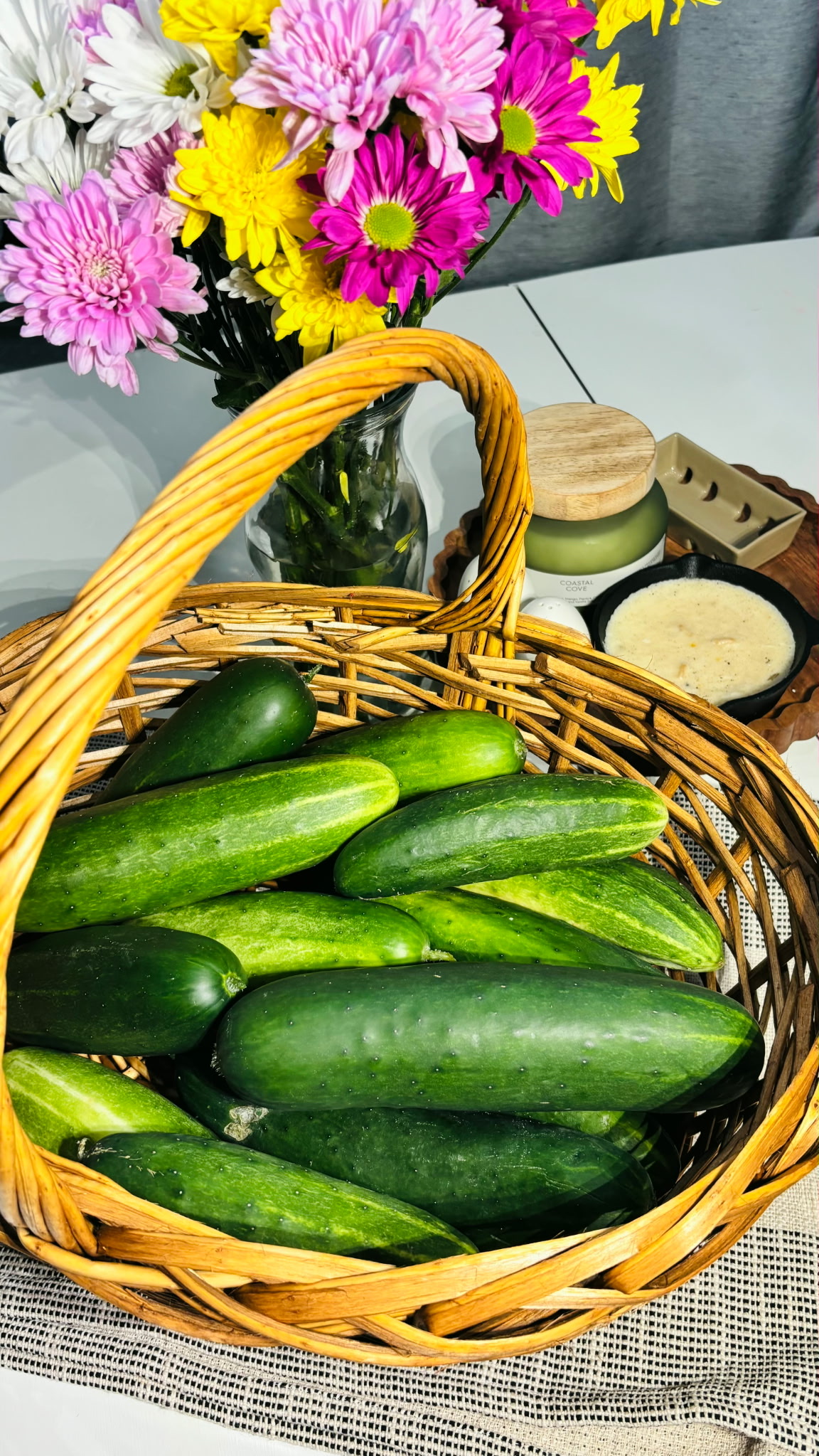
Got a follow-up question or a tip of your own? Take it to the Community board.