Summer Farm Maintenance Checklist: Monthly Tasks for Peak Season
Stay ahead of heat, pests, and harvest demands with this month-by-month summer action plan
Understanding Summer's Unique Maintenance Demands
Summer brings peak production but also peak stress on your farm systems. Heat, drought, pest pressure, and continuous harvesting create maintenance needs that differ significantly from spring or fall. A structured monthly approach prevents small issues from becoming costly failures during your busiest season.
This checklist breaks down June, July, and August into manageable task lists that keep your operation running smoothly while maximizing yields.
June: Early Summer Setup and Prevention
Irrigation System Inspection
Before peak heat arrives, conduct a thorough irrigation audit. Walk every line and check for:
- Clogged drip emitters (clean or replace any flowing under 0.5 GPH)
- Damaged hoses or cracked PVC connections
- Timer battery levels and programming accuracy
- Pressure regulators functioning within 15-30 PSI range
Run each zone for 15 minutes and mark problem areas with flags for immediate repair.
Mulch Application
Apply 3-4 inches of organic mulch around established crops before temperatures consistently exceed 85°F. This single task reduces water needs by up to 40% and suppresses summer weeds when they're most aggressive.
First Succession Planting
Plant quick-maturing varieties for continuous harvest:
- Bush beans (50-55 day varieties)
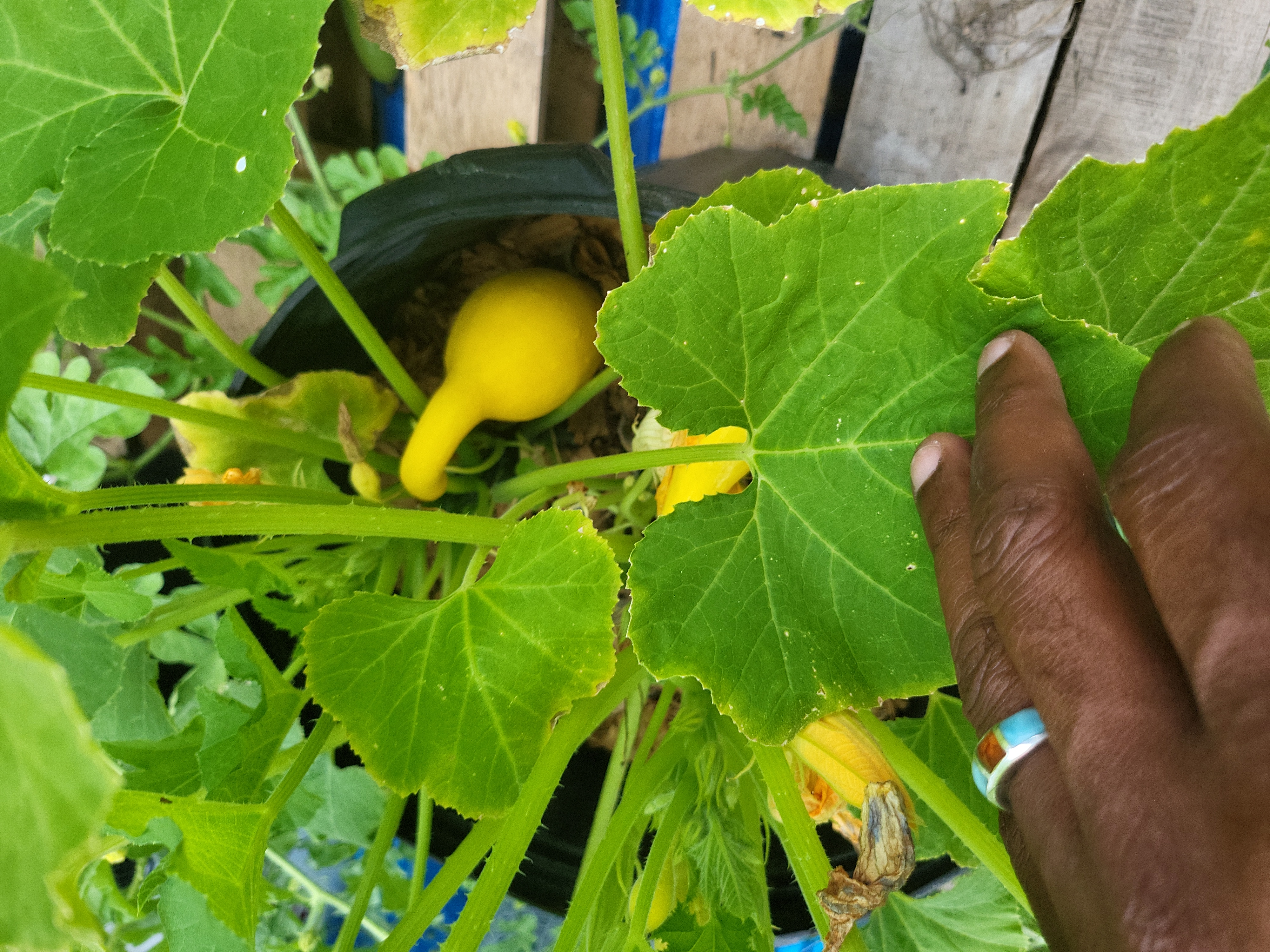
- Summer squash and zucchini
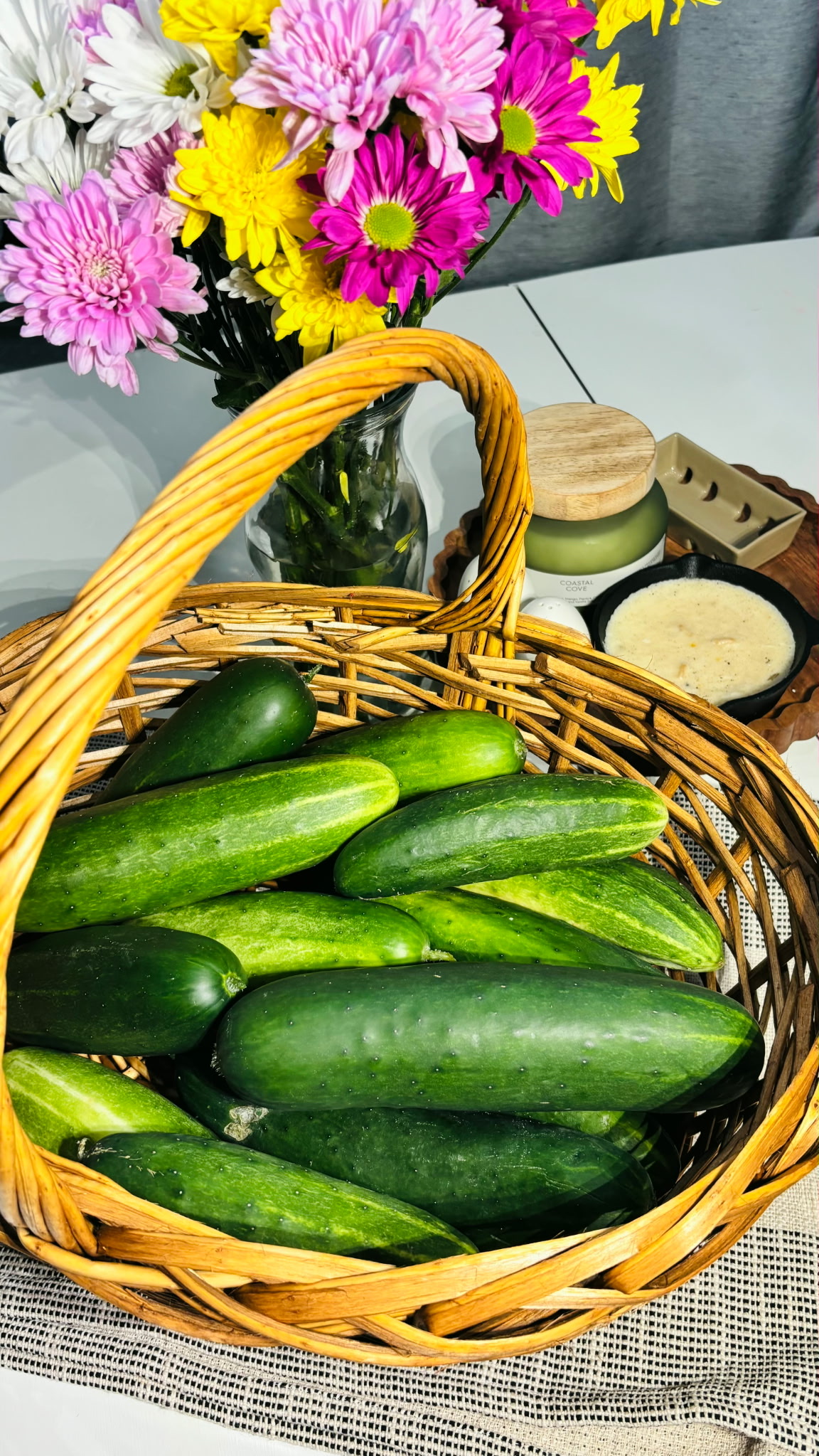
- Cucumbers for late-season production
- Heat-tolerant lettuce varieties in partially shaded areas
Equipment Maintenance
Service mowers, tillers, and harvest equipment now, not when they break mid-season. Change oil, sharpen blades, and replace air filters. Keep a backup spark plug and fuel filter on hand.
July: Peak Production Management
Water Management Intensification
July typically demands the highest water inputs. Monitor soil moisture at 6-inch depth twice weekly. Most vegetable crops need 1-1.5 inches of water per week through irrigation or rainfall combined.
Adjust irrigation schedules to early morning (4-8 AM) to minimize evaporation losses. Consider upgrading to drip irrigation on high-value crops if still using overhead sprinklers.
Pest and Disease Scouting
Heat stress makes plants vulnerable. Scout fields every 3-4 days:
- Check undersides of leaves for eggs and early infestations
- Remove diseased plant material immediately to prevent spread
- Document pest populations to determine if intervention thresholds are met
- Apply organic controls during cooler evening hours
Mid-Summer Soil Feeding
Heavy-feeding crops like tomatoes, peppers, and squash benefit from side-dressing with compost or balanced organic fertilizer. Apply 2-3 inches of finished compost in a ring 6 inches from plant stems, or use fish emulsion at half-strength weekly.
Shade Structure Evaluation
If you're using shade cloth, verify it's properly secured for summer storms. Consider adding 30-50% shade cloth over sensitive crops during heat waves above 95°F.
August: Transition Preparation and Succession
Fall Garden Planning
August is critical for fall crop success. Calculate your first frost date and count backward:
- Direct-seed cool-season crops 8-10 weeks before frost
- Start brassica transplants indoors for September planting
- Prepare beds by removing spent summer crops and adding compost
Infrastructure Repairs
Address accumulated wear before fall demands begin:
- Repair or replace damaged row covers and hoops
- Tighten loose fence posts and patch holes in deer fencing
- Clean and organize harvest containers and processing areas
- Service walk-in coolers and check door seals
Final Succession Plantings
Plant fast-maturing varieties for late-season harvest:
- Radishes (25-30 days)
- Arugula and other salad greens
- Bush beans in areas with 60+ days before frost
- Cilantro and dill for fall markets
Equipment Winterization Planning
Inventory tools and equipment that will need winterization. Order replacement parts now while suppliers are stocked. Create a maintenance schedule for September and October.
Record Keeping and Continuous Improvement
Maintain detailed records throughout summer months. Track:
- Water usage by zone and crop type
- Pest pressure levels and control effectiveness
- Succession planting dates and germination rates
- Equipment failures and repair costs
- Harvest yields by variety and planting date
These records become invaluable for planning next season. Many growers on CuzHens Market share that consistent record-keeping improved their production efficiency by 20-30% within two seasons.
Common Questions
How often should I check irrigation during heat waves? Daily checks are essential when temperatures exceed 95°F for multiple days. Container plants and newly transplanted crops may need twice-daily watering.
What's the most critical maintenance task if I can only do one thing monthly? Irrigation system inspection and optimization. Water is the limiting factor for most summer operations, and system failures cause immediate crop loss.
Should I continue succession planting in August? Yes, but focus on quick-maturing crops and cool-season varieties. Calculate days to maturity against your frost date, adding 7-10 days for slower fall growth.
How do I balance maintenance with harvest demands? Schedule maintenance tasks during cooler morning hours before harvest begins, or dedicate one full day weekly to preventive maintenance rather than letting issues accumulate.
Got a follow-up question or a tip of your own? Take it to the Community board.