Spring Planting Guide: What to Grow in Your Garden
Spring Planting Guide: What to Grow in Your Garden
There's something magical about that first warm weekend in spring when the soil finally thaws and you can dig your hands into the earth again. After months of dreaming over seed catalogs and sketching garden layouts, it's finally time to plant. But with so many options and that ever-present risk of a surprise frost, knowing what to grow—and when—can make the difference between a thriving garden and a disappointing one.
Let's walk through the best crops to plant this spring, from those hardy early risers to the warm-season favorites that need a bit more patience.
Understanding Your Spring Planting Windows
Spring isn't just one planting date—it's actually three distinct windows. Early spring (4-6 weeks before your last frost) is perfect for cold-hardy crops that can handle a light freeze. Mid-spring (2-3 weeks before last frost) brings slightly warmer soil for semi-hardy plants. And late spring (after your last frost date) is when you'll finally plant those tender, heat-loving crops.
Your last frost date is your anchor point for all spring planning. Don't know yours? Check with your local extension office or search online for your zip code. Mark it on your calendar, then count backward and forward from there.
Early Spring Champions (Plant 4-6 Weeks Before Last Frost)
These tough customers actually prefer cool weather and will reward your early efforts with quick harvests:
Peas are the ultimate spring crop—plant them as soon as you can work the soil. They'll climb happily up a trellis and produce sweet pods before summer heat shuts them down. Sugar snap and snow peas are especially forgiving for beginners.
Lettuce and salad greens thrive in cool spring temperatures. Direct sow seeds every two weeks for continuous harvests. Try mixing varieties like buttercrunch, romaine, arugula, and spinach for interesting salads.
Root vegetables like radishes, carrots, beets, and turnips go straight into the ground now. Radishes are particularly gratifying—they'll be ready to eat in just 25-30 days, perfect for impatient gardeners or kids who want quick results.
Onions and garlic (if you didn't plant them last fall) can go in as sets or transplants. They need a long growing season, so get them established early.
Brassicas—broccoli, cabbage, cauliflower, and kale—are happiest as transplants started indoors 6-8 weeks earlier, but you can also buy starts from your local nursery. These cool-season lovers will produce well into early summer.
Mid-Spring Additions (Plant 2-3 Weeks Before Last Frost)
As the soil warms up a bit, you can add:
Potatoes can handle light frost and actually need cool soil to form tubers. Plant seed potatoes about 4 inches deep and hill them up as they grow.
Herbs like cilantro, dill, and parsley love spring's moderate temperatures. Plant them now and they'll be ready to harvest before they bolt in summer heat.
Swiss chard is more heat-tolerant than lettuce but still appreciates a spring start. The colorful stems make it as ornamental as it is edible.
Late Spring Stars (Plant After Last Frost)
Once all danger of frost has passed and soil temperatures hit at least 60°F, it's time for the classics:
Tomatoes are the crown jewel of most gardens. Wait for truly warm weather—planting too early just stresses them. Bury transplants deep (removing lower leaves) to encourage strong root development.
Peppers need even warmer conditions than tomatoes. Don't rush them—they'll sulk in cold soil.
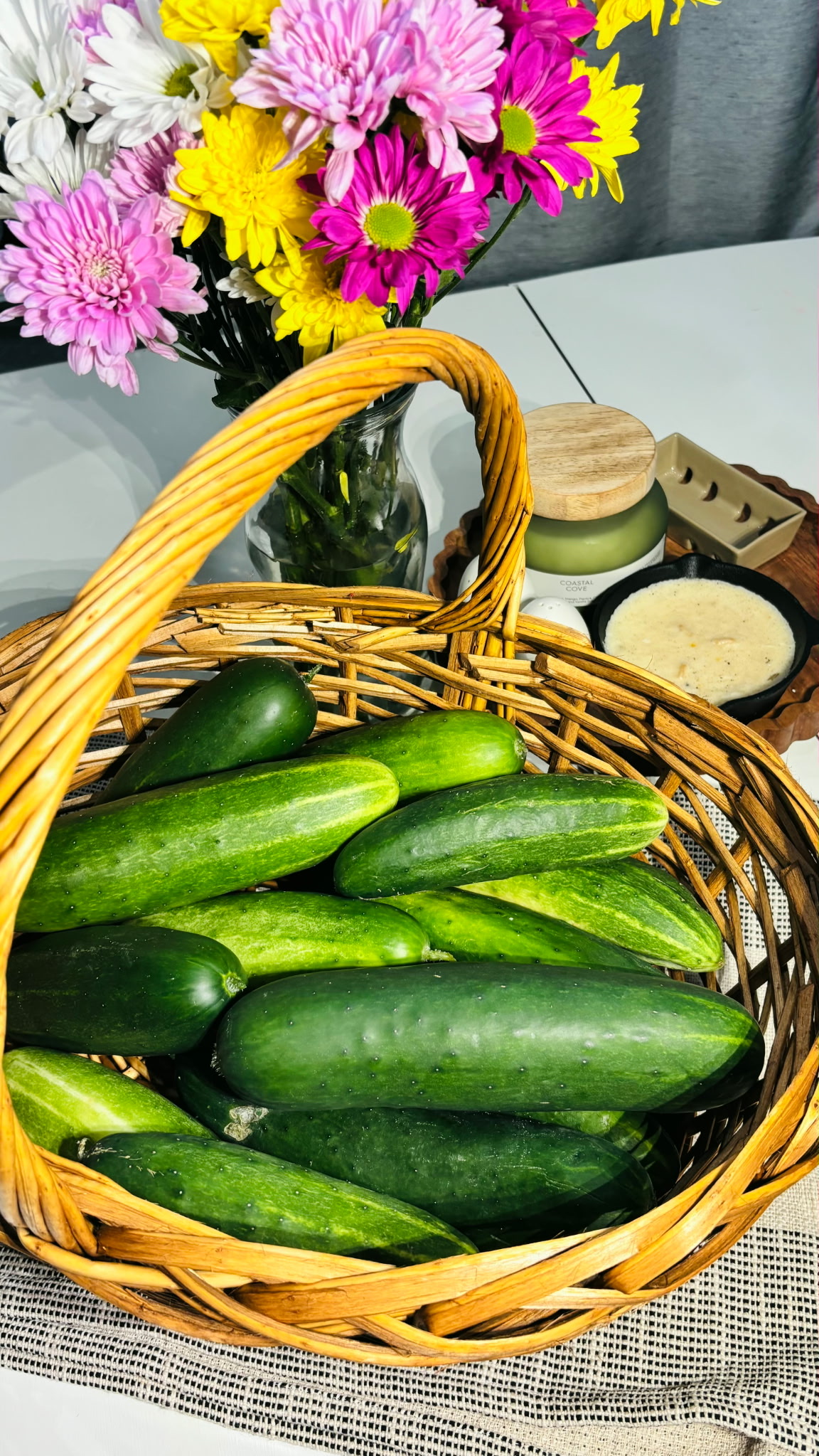
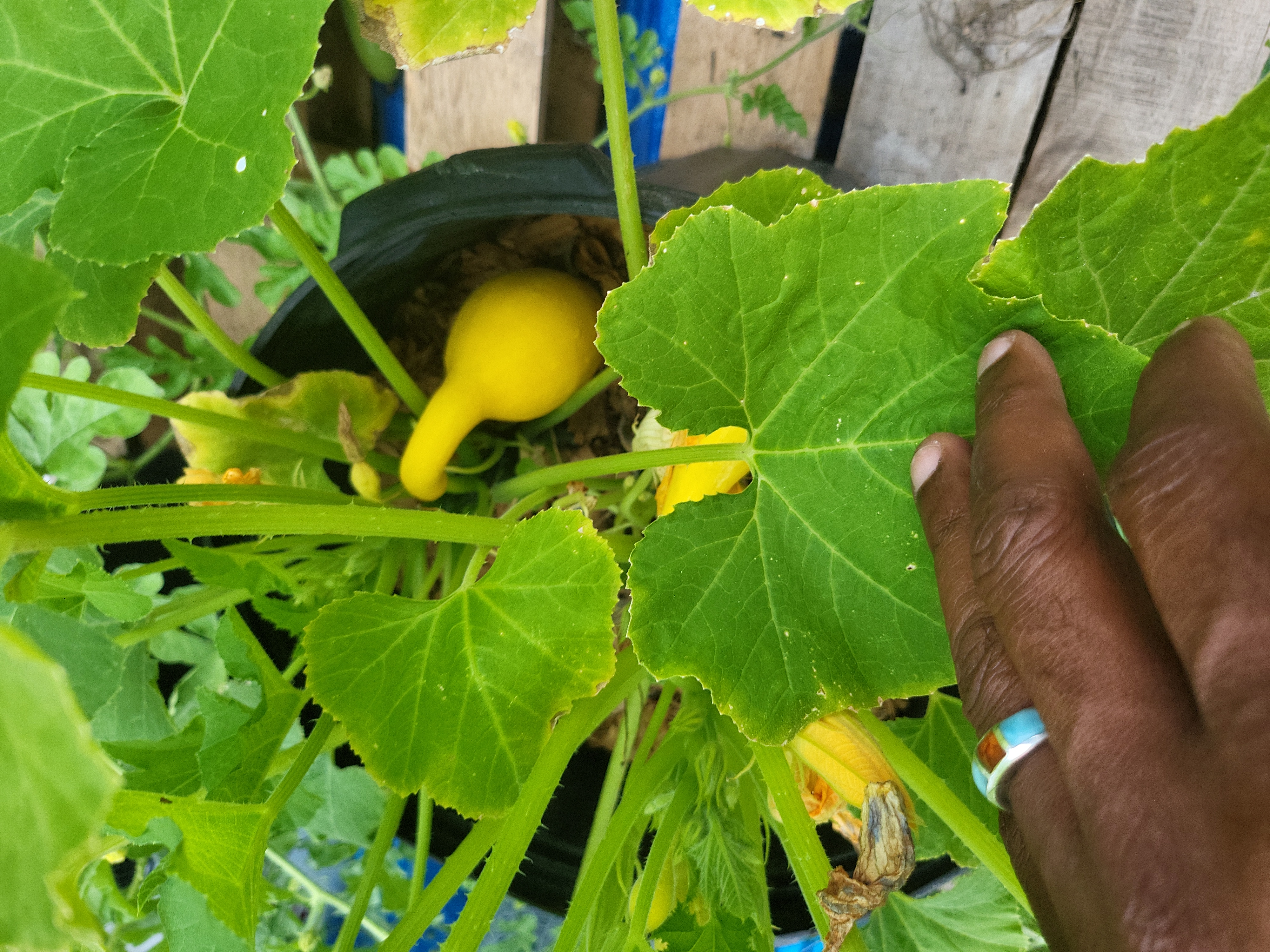
Squash, cucumbers, and melons have large seeds that germinate quickly in warm soil. You can direct sow these or use transplants for a head start.
Beans (both bush and pole varieties) are easy from seed and fix nitrogen in your soil as a bonus. Plant them every few weeks for continuous harvests.
Basil and summer herbs wait for this window too. Basil especially hates cold and will turn black at the first hint of frost.
Flowers That Pull Double Duty
Don't forget flowers in your spring planting plan! Nasturtiums, marigolds, and zinnias attract pollinators, deter pests, and make your garden beautiful. Nasturtium leaves and flowers are even edible—peppery and perfect in salads.
Sunflowers planted now will tower over your garden by midsummer, providing food for birds and endless entertainment for kids.
Your Spring Planting Checklist
Before you start digging, make sure you have:
- [ ] Last frost date marked on your calendar
- [ ] Soil amended with compost (spring is perfect for this!)
- [ ] Seeds organized by planting window
- [ ] Row covers or cloches ready for unexpected cold snaps
- [ ] Garden journal to track what you plant and when
- [ ] Watering plan in place (spring rains are helpful but unreliable)
- [ ] Stakes, trellises, and supports ready for climbers
Get Growing!
Spring planting is as much about patience as it is about enthusiasm. Yes, you'll be tempted to plant everything at once on that first beautiful day, but trust the process. Stagger your plantings, respect your frost dates, and you'll be harvesting fresh food from early spring straight through fall.
Got questions about what grows best in your specific area, or wondering if it's too late to start something? Head over to our community forum where experienced growers are always happy to share their local knowledge and troubleshoot your spring garden plans. We're all in this together!
Got a follow-up question or a tip of your own? Take it to the Community board.