May Seed Ordering for Small Farms: Planning Summer Succession
Strategic seed purchases in May set up profitable summer harvests and fall abundance
May Seed Ordering for Small Farms: Planning Summer Succession
May might seem like an odd time to think about seed ordering when you're already knee-deep in spring planting. But smart small-farm operators know that May is actually a critical window for securing seeds that will keep your operation productive through late summer and fall. While big-box stores are clearing out their seed racks, you should be thinking three to six months ahead.
Why May Matters for Seed Ordering
Most small farms experience a mid-summer production gap if they only order seeds once in early spring. The crops planted in March and April peak in June and July, then taper off just when customers are looking for fresh produce at farmers markets and through CSA shares.
May seed ordering solves this problem by enabling succession planting and fall crop production. Popular varieties often sell out by mid-summer, especially from quality regional seed companies. Ordering in May gives you access to full inventory while leaving enough time for delivery before planting windows close.
Seed viability also matters. Fresh seed ordered in May will have better germination rates for late-season plantings than leftover packets from spring that have been exposed to temperature fluctuations in your barn or greenhouse.
Succession Planting Seeds to Order Now
Succession planting means sowing the same crop multiple times for continuous harvest. May is the time to order seeds for your second and third succession rounds.
Fast-Growing Salad Greens
- Lettuce varieties (especially heat-tolerant types like 'Jericho' and 'Nevada')
- Arugula
- Spinach (for fall crops only, as it bolts in summer heat)
- Asian greens like mizuna and tatsoi
Plan to sow these every 2-3 weeks from June through August. For a 1-acre market garden, order at least 3-4 ounces of lettuce seed to cover multiple plantings.
Quick-Turn Vegetables
- Bush beans (50-60 day varieties)
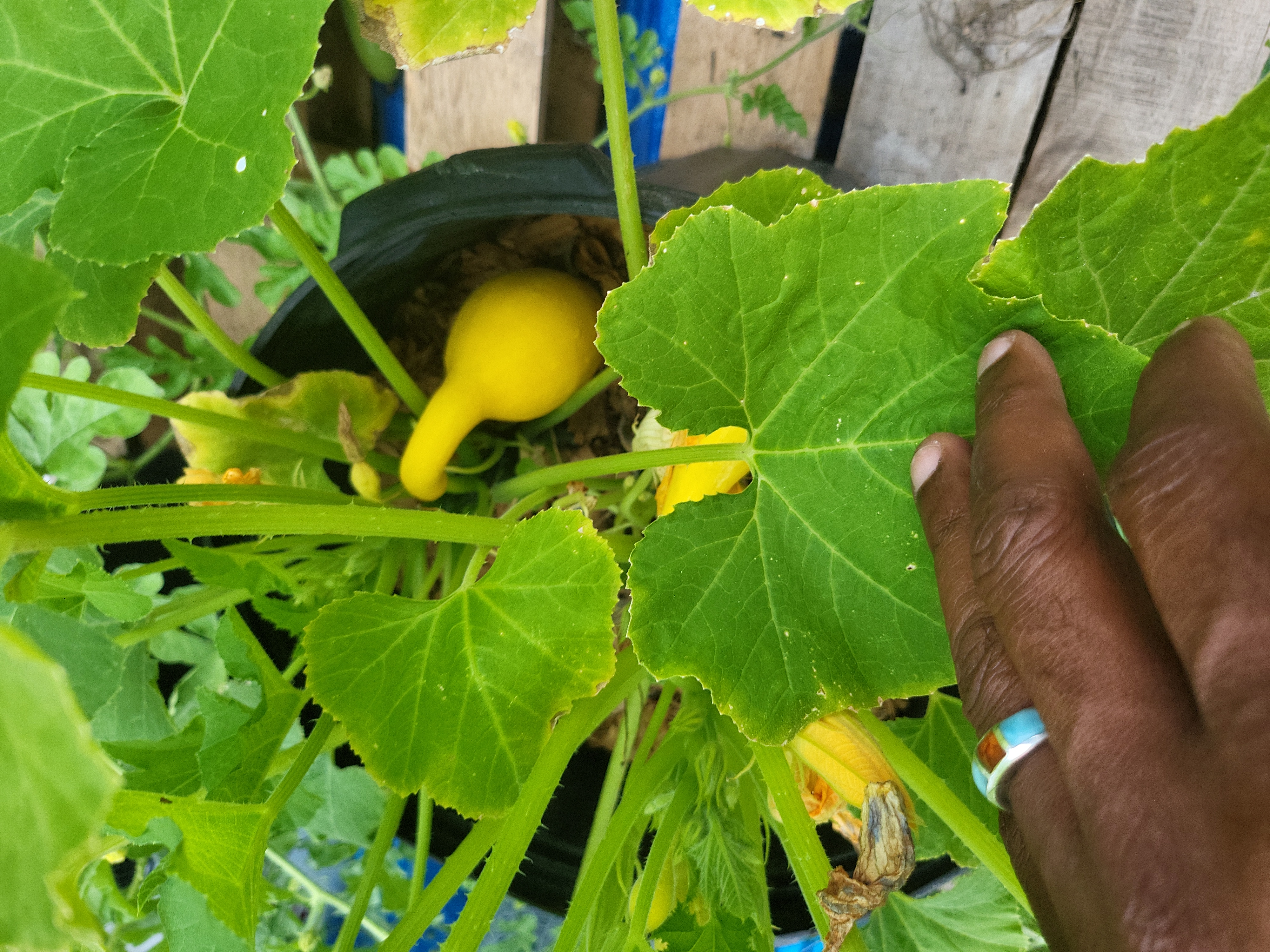
- Summer squash and zucchini
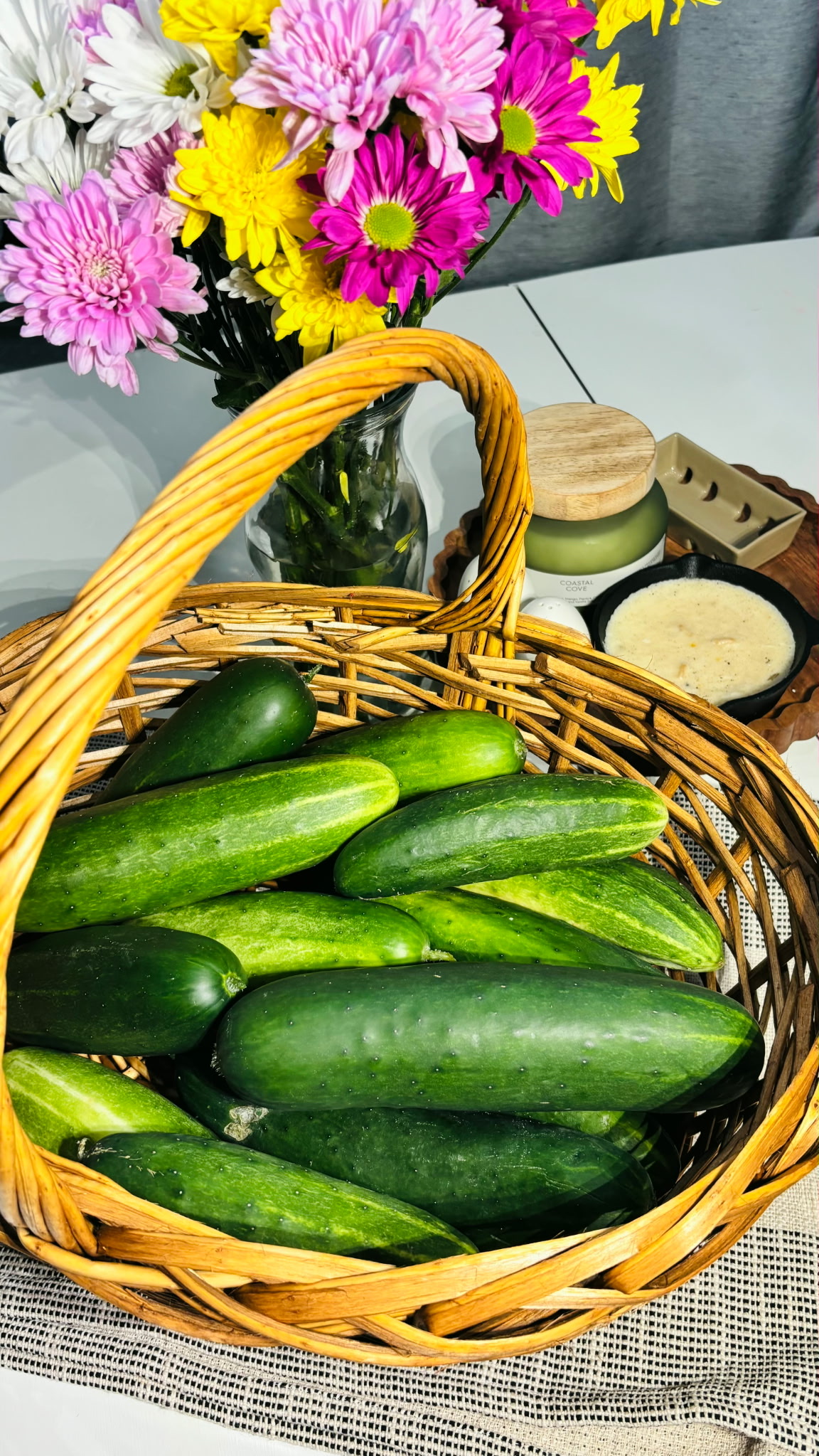
- Cucumbers
- Radishes
- Scallions
These crops can be planted multiple times from June through mid-July in most regions. Bush beans are particularly profitable as a succession crop since they produce heavily for 2-3 weeks then decline, making room for the next planting.
Fall and Winter Crop Seeds
May is actually more important for fall crop ordering than spring crop ordering. These seeds need to go in the ground between late June and early August, depending on your first frost date.
Brassicas for Fall Harvest
Brassicas taste sweeter after exposure to light frost, making them premium fall crops:
- Kale (multiple varieties for market appeal)
- Broccoli and cauliflower
- Brussels sprouts
- Cabbage (both storage and fresh-eating types)
- Kohlrabi
For Brussels sprouts, count backward 90-100 days from your first expected frost. In Zone 6, that means seeding in early June for October harvest.
Root Vegetables
- Carrots (fall carrots are sweeter than spring crops)
- Beets
- Turnips and rutabagas
- Daikon radish
- Winter radishes
Carrots for fall harvest should be seeded in mid-July in most regions. Order enough seed for at least 500 row feet if you're selling at market—fall carrots are customer favorites.
Cold-Hardy Greens
- Spinach (thrives in fall temperatures)
- Mâche (corn salad)
- Claytonia (miner's lettuce)
- Asian greens
- Mustard greens
These can be seeded as late as September in many regions, especially if you have low tunnels or cold frames for season extension.
Cover Crops and Soil Builders
May is the perfect time to order cover crop seed for summer and fall soil building. As beds finish producing, you can quickly establish cover crops to protect and improve soil.
Summer Cover Crops
- Buckwheat (excellent for quick biomass and weed suppression)
- Sorghum-sudangrass (deep-rooting, heat-loving)
- Cowpeas or soybeans (nitrogen-fixing legumes)
Buckwheat can be turned under in just 6 weeks, making it ideal for short windows between crops.
Fall Cover Crops
- Winter rye (extremely cold-hardy)
- Hairy vetch (nitrogen fixer)
- Crimson clover
- Field peas
- Oats (winter-killed in most regions)
Order these in May even though you won't plant until September or October. Many farmers underestimate their cover crop needs and end up scrambling in fall. For a 1-acre operation, budget for at least 100-200 pounds of cover crop seed depending on species and seeding rates.
Ordering Strategy for Small Farms
Skip the big box stores in May—their selection is already picked over. Instead, focus on regional seed companies that understand your growing conditions. Platforms like CuzHens Market can connect you with local seed suppliers who stock varieties proven in your area.
Buy in appropriate quantities. Small farms often waste money on excessive seed or lose germination potential by storing seed poorly. For most vegetables, calculate your row feet or bed space, check the seeding rate, and add 20% for insurance.
Consider splitting orders with neighboring farms to reach minimum order thresholds for wholesale pricing while avoiding excess inventory.
Common Questions About May Seed Ordering
How long can I store seeds ordered in May? Most vegetable seeds remain viable for 1-3 years if stored in cool, dry, dark conditions. Keep them in airtight containers in a basement or refrigerator, not in a hot barn or greenhouse.
Should I order organic seed? If you're certified organic or marketing to customers who value organic production, yes. Organic seed costs 20-40% more but may command premium prices. For cover crops, conventional seed is usually fine unless you're certified.
What if I'm not sure about quantities? Start with small packets for new varieties you're testing. For proven crops, calculate based on bed feet and succession plantings. Most seed companies provide seeding rate information on their websites.
Can I still find seed in July and August? Yes, but selection becomes limited and popular varieties sell out. May ordering ensures you get first choice of varieties and avoid shipping delays during peak season.
Got a follow-up question or a tip of your own? Take it to the Community board.