June Homestead Tasks: Your Essential Monthly Checklist
Stay on top of peak growing season with this practical guide for urban homesteaders
June Homestead Tasks: Your Essential Monthly Checklist
June marks the transition into full summer mode on your urban homestead. Days are long, plants are producing rapidly, and your chickens are in peak laying season. This is the busiest month for homesteaders, requiring consistent attention to watering, harvesting, and planning for preservation. Here's what to prioritize this month.
Garden Maintenance and Planting
Succession Planting for Continuous Harvests
June is your last chance to plant warm-season crops in most regions. Focus on quick-maturing varieties that will produce before fall frost. Plant bush beans every two weeks for harvests through September. Sow cucumber, squash, and zucchini seeds directly in the garden during the first two weeks of June.
For fall crops, start planning now. Begin seeds indoors for broccoli, cauliflower, and cabbage around mid-June. These transplants will go into the garden in late July or early August, giving you a fall harvest when summer crops wind down.
Mulch and Water Management
Apply 3-4 inches of organic mulch around all plants to conserve moisture and suppress weeds. Straw, shredded leaves, or grass clippings work well. As temperatures climb into the 80s and 90s, established plants need approximately 1-1.5 inches of water per week. Water deeply 2-3 times weekly rather than daily shallow watering to encourage deep root growth.
Install soaker hoses or drip irrigation if you haven't already. These systems reduce water waste by 50% compared to overhead sprinklers and keep foliage dry, preventing disease.
Pest and Disease Monitoring
Inspect plants every 2-3 days for pest damage. June brings squash bugs, cucumber beetles, tomato hornworms, and aphids. Hand-pick larger pests daily in early morning when they're sluggish. For aphids, spray plants with a strong stream of water or apply insecticidal soap.
Stake and prune tomatoes to improve air circulation and reduce fungal diseases. Remove suckers from indeterminate varieties weekly, and tie main stems to supports as they grow.
Livestock and Poultry Care
Chicken Flock Management
Heat stress becomes a serious concern when temperatures exceed 85°F. Ensure chickens have constant access to fresh, cool water. Add ice cubes to waterers twice daily during heat waves. Provide multiple water stations—plan for one waterer per 6-8 birds.
Create shaded areas in your run using tarps, shade cloth, or natural vegetation. Freeze treats like watermelon chunks or corn in ice blocks for hot afternoons. Monitor for signs of heat stress: panting, wings held away from body, or reduced egg production.
Clean coops more frequently in June. Heat and humidity accelerate ammonia buildup from droppings. Remove soiled bedding weekly and replace with fresh material.
Egg Production and Storage
June typically brings peak egg production as hens respond to long daylight hours. Collect eggs at least twice daily to prevent them from overheating in nest boxes. Eggs left in 90°F+ temperatures for more than an hour can develop bacterial growth.
If your flock produces more eggs than you can use fresh, consider water glassing (preserving in lime solution) or freezing for winter baking needs.
Harvest and Preservation
Early Summer Harvest Schedule
Begin harvesting early crops planted in spring. Pick lettuce, spinach, and other greens before they bolt in the heat. Harvest peas daily once pods fill out—they become starchy quickly in warm weather.
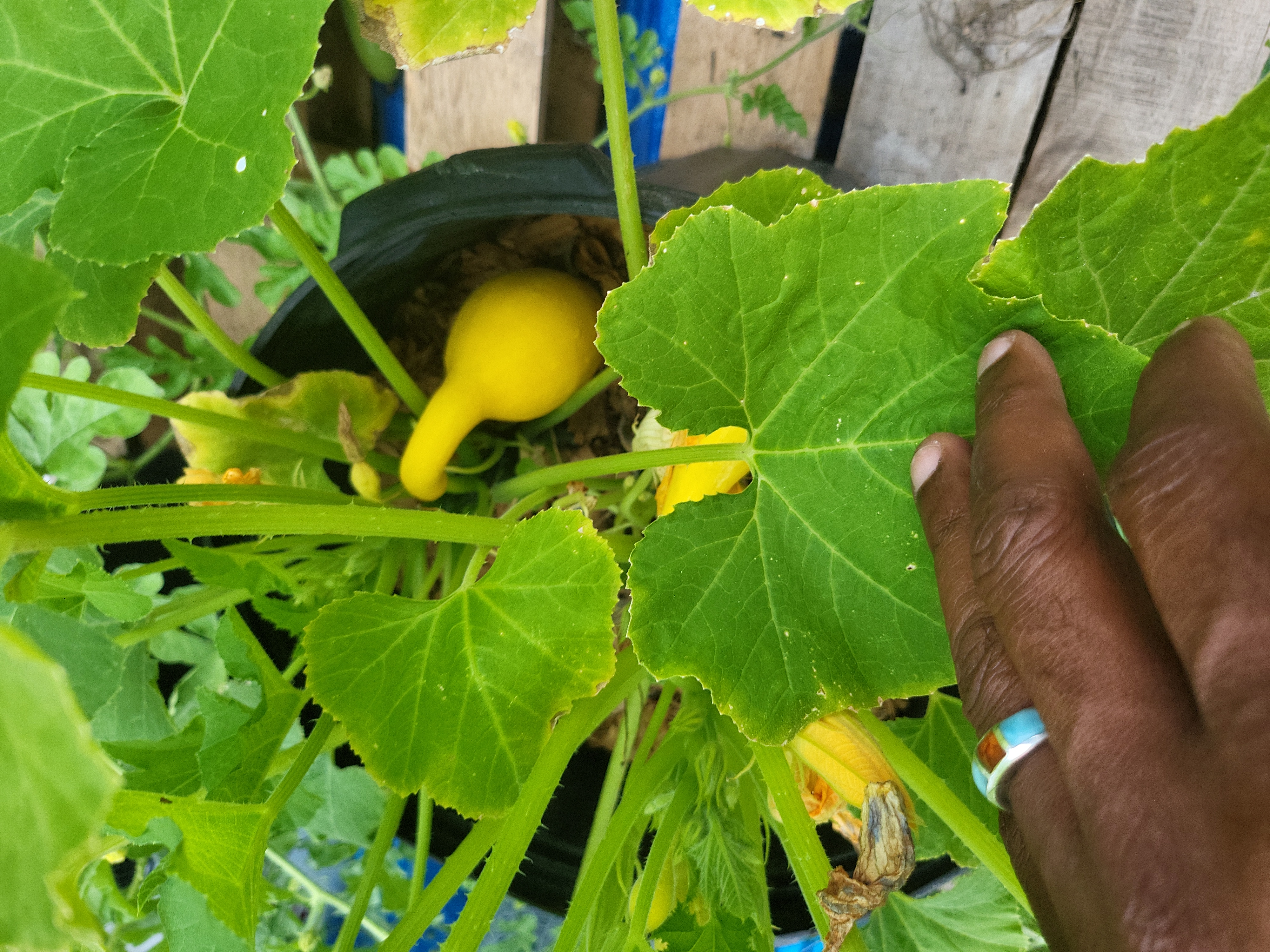
Check zucchini and summer squash every single day. These prolific producers can grow from perfect size to baseball bat proportions overnight. Harvest when fruits are 6-8 inches long for best flavor and texture.
Strawberries and early raspberries ripen throughout June. Pick berries in the cool morning hours and refrigerate immediately to extend shelf life.
Preservation Basics
Start your preservation routine now before the real glut arrives in July. Freeze excess berries on sheet pans, then transfer to freezer bags. This prevents clumping and allows you to measure out exact amounts later.
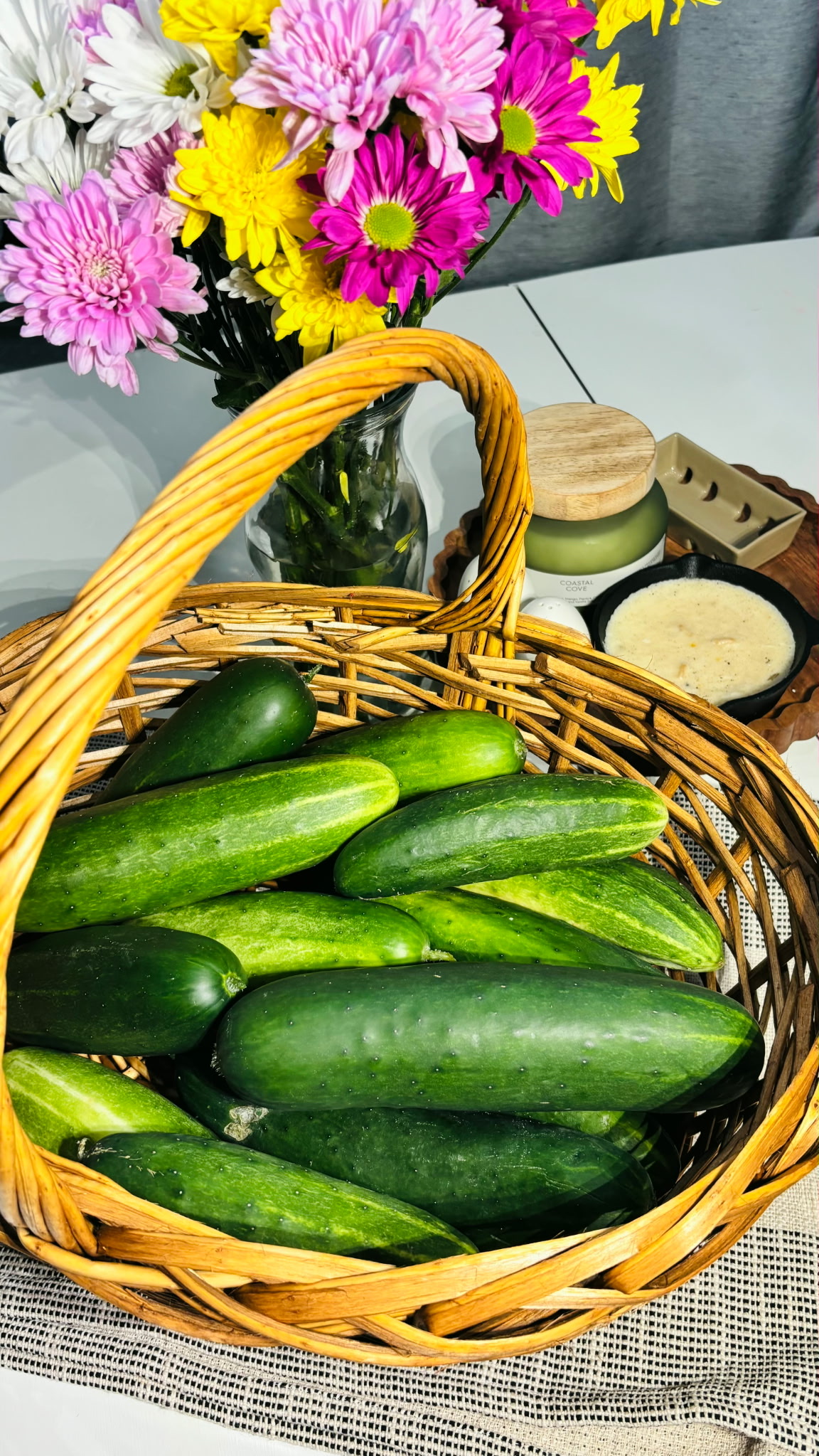
Make small batches of refrigerator pickles with early cucumbers and herbs. These require no canning equipment and stay crisp for 2-3 months. Dehydrate herbs like basil, oregano, and thyme as plants become bushy enough to harvest.
If you're interested in selling excess produce or connecting with other local growers, platforms like CuzHens make it easy to reach nearby customers looking for hyperlocal products.
Infrastructure and Planning
Prepare for Peak Season
Service and sharpen garden tools now while you still have time. Clean and oil pruners, sharpen hoe blades, and repair any damaged tool handles. These 30 minutes of maintenance prevent frustration during busy harvest weeks.
Inventory your canning supplies if you plan to preserve summer produce. Order jars, lids, and pectin now—supplies often run short by late July.
Start Fall Planning
Order fall garden seeds and garlic bulbs for October planting. Many varieties sell out by mid-summer. Calculate how many row feet you'll dedicate to fall crops and mark these areas in your garden journal.
Plan your crop rotation for next spring. Note what grew where this year to avoid planting the same families in the same spots next season.
Common Questions
How often should I fertilize in June? Side-dress heavy feeders like tomatoes, peppers, and squash every 3-4 weeks with compost or balanced organic fertilizer. Avoid over-fertilizing, which produces lush foliage but fewer fruits.
When should I stop planting warm-season crops? Most warm-season vegetables need 60-90 days to maturity. Count backward from your first expected fall frost date. In most regions, mid-June is the cutoff for long-season crops like tomatoes and peppers.
Can chickens eat garden surplus? Yes! Chickens love lettuce, kale, cucumbers, and berries. Avoid feeding them onions, raw potato peels, or dried beans. Limit treats to 10% of their diet to maintain balanced nutrition and consistent egg production.
How do I know if plants need water? Stick your finger 2-3 inches into the soil. If it feels dry at that depth, water deeply. Wilting in morning hours indicates water stress; wilting in afternoon heat is normal and doesn't always require watering.
Got a follow-up question or a tip of your own? Take it to the Community board.