August Farm Tasks: Your Small-Acreage Monthly Checklist
Essential jobs to tackle this month for a productive late summer and successful fall harvest
August Farm Tasks: Your Small-Acreage Monthly Checklist
August sits at the crossroads of abundance and transition. Your summer crops are hitting their stride while fall planning demands attention. For small-acreage farmers, this month requires balancing intensive harvest work with critical preparation for cooler months ahead. This checklist breaks down the essential tasks to keep your operation running smoothly.
Harvest and Crop Management
August typically delivers your heaviest harvest workload of the year. Staying organized prevents waste and maximizes your return.
Peak Harvest Activities
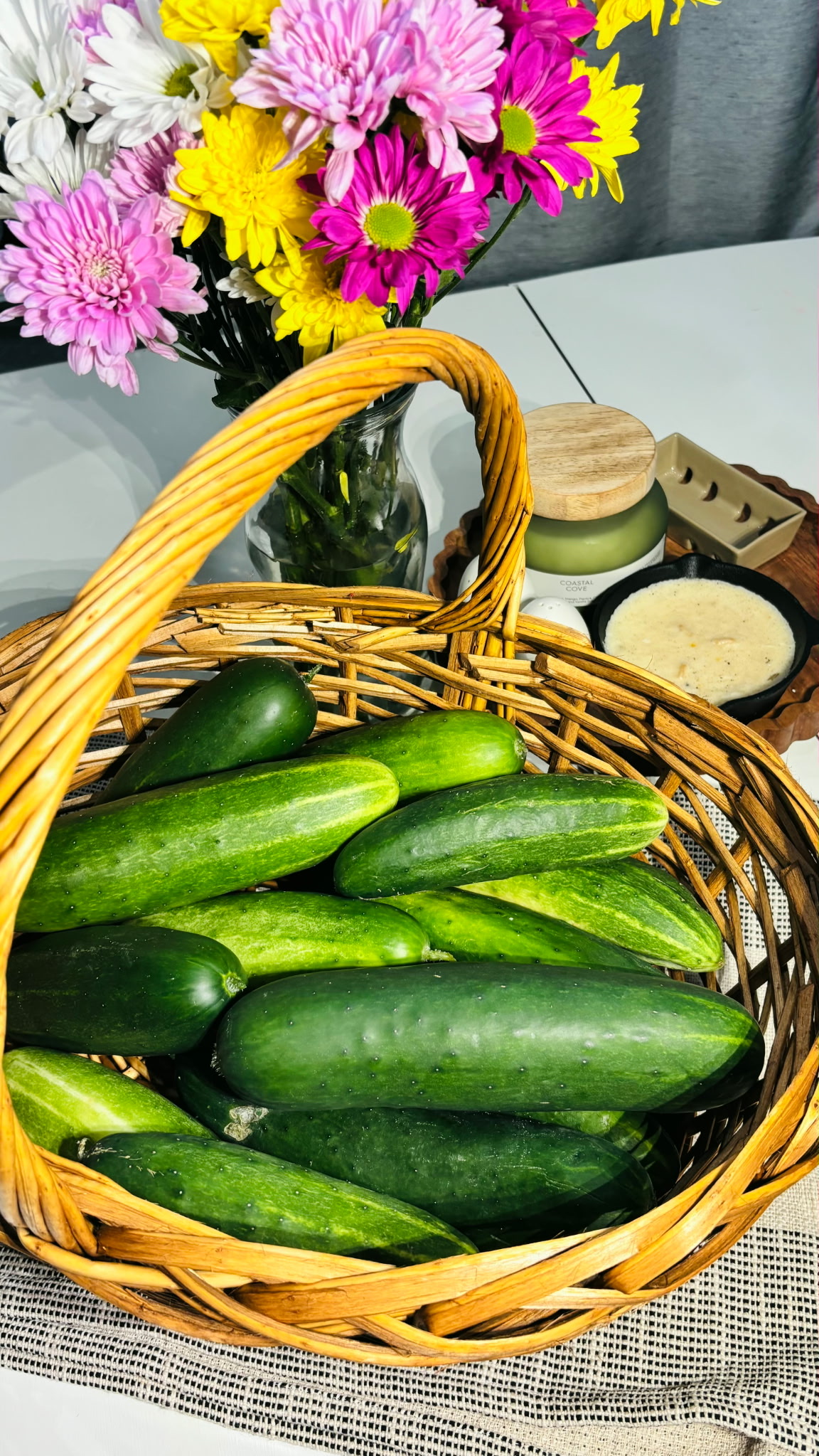
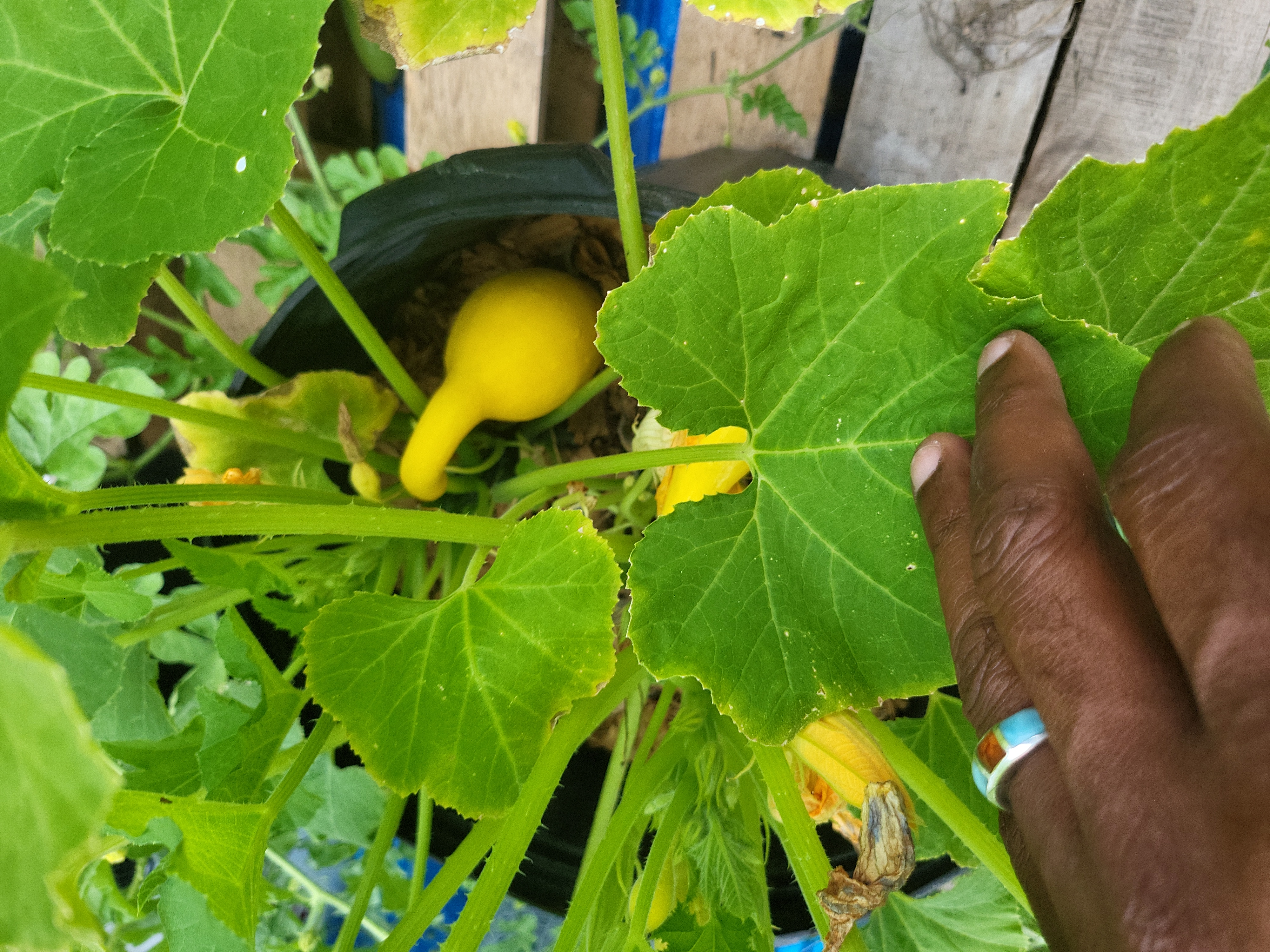
- Check tomatoes, peppers, and summer squash daily - these crops produce abundantly now and overripe produce attracts pests
- Harvest herbs before flowering - cut basil, oregano, and cilantro aggressively to prevent bolting and extend production
- Monitor melons and winter squash - check for characteristic signs of ripeness like stem separation and hollow sounds when tapped
- Process or sell within 24-48 hours - August heat accelerates spoilage, so move products quickly to market or preservation
Succession Planting and Fall Prep
While harvesting summer crops, you should already be establishing fall gardens. In most regions, early August is your last chance for certain plantings.
- Direct seed fast-maturing greens - lettuce, arugula, and spinach planted by August 10 will produce before hard frost
- Transplant fall brassicas - broccoli, cabbage, and cauliflower started in July should go in the ground now
- Plant cover crops in spent beds - buckwheat germinates in 3-5 days and will flower before frost if planted by mid-month
- Order garlic for fall planting - suppliers often sell out by September, so secure your seed stock now
Livestock Care in Summer Heat
High temperatures stress animals and increase disease pressure. August requires vigilant livestock management.
Poultry Management
- Provide shade and ventilation - chickens suffer above 85°F; ensure coops have adequate airflow and shaded outdoor areas
- Increase waterer checks to 3x daily - birds drink twice as much in heat; add electrolytes during extreme temperatures (95°F+)
- Collect eggs frequently - heat degrades egg quality rapidly; gather at least twice daily
- Watch for molting - some hens begin their annual feather replacement in late August and will stop laying temporarily
Larger Livestock Considerations
- Evaluate pasture rotation - August drought often requires shorter grazing periods or supplemental hay
- Check mineral feeders - heat increases consumption; refill trace mineral supplements
- Inspect water systems - algae blooms in troughs require more frequent cleaning (every 3-4 days minimum)
- Schedule fall breeding - for spring kids or lambs, breeding should occur in late August through September
Infrastructure and Maintenance Projects
Before fall's rush arrives, tackle projects that improve efficiency and prepare for winter.
Fencing and Structures
- Walk fence lines - identify weak spots, broken insulators, or vegetation shorting electric fences
- Repair barn roofs and gutters - address leaks before fall rains; clean debris from gutters to prevent ice dams later
- Service equipment - change oil in tillers, mowers, and tractors while you still remember the season's issues
- Organize storage areas - clean out sheds and barns to make room for incoming hay and fall harvest
Water System Preparation
- Test irrigation efficiency - calculate gallons per minute at various points to identify leaks or pressure problems
- Flush and clean drip lines - remove mineral buildup and debris before fall planting
- Locate shut-off valves - mark outdoor valves you'll need to winterize in October and November
Planning and Administrative Tasks
August's field work can overshadow important planning, but these tasks set up fall success.
Market and Sales Planning
- Communicate fall availability - notify CSA members and restaurant clients about upcoming seasonal transitions
- Update inventory on platforms - if you sell through marketplaces like CuzHens, adjust listings to reflect late-summer and early-fall products
- Plan for value-added products - source jars, labels, and ingredients for preserves, sauces, or dried goods
- Review pricing - assess whether current prices cover labor and materials; adjust before fall season
Record Keeping
- Document harvest yields - record production by crop and bed to inform next year's planning
- Photograph successes and failures - visual records help you remember what worked (and what didn't)
- Track expenses - maintain receipts for seeds, amendments, and supplies for tax purposes
- Note weather patterns - unusual heat, drought, or rain affects future planning decisions
Common Questions About August Farm Tasks
When should I start planting garlic? Most regions plant garlic in October, but August is when you should source your seed stock. Order now to ensure variety selection and availability.
How much water do vegetable crops need in August? Most vegetables require 1-2 inches of water per week. In August heat, this often means irrigating 2-3 times weekly if rainfall is insufficient.
Is it too late to start fall crops? It depends on your first frost date. Count backward from that date using days-to-maturity information. Quick crops like radishes (25 days) and lettuce (45 days) can still succeed in most zones if planted by mid-August.
Should I fertilize in August? Fertilize fall crops at planting, but avoid fertilizing tired summer crops. They're naturally declining, and excess nitrogen can reduce flavor and increase disease susceptibility.
What's the most important August task I shouldn't skip? Planting fall crops. Miss this window, and you'll have empty beds and no income during the profitable fall market season when demand for fresh, local produce remains strong.
Got a follow-up question or a tip of your own? Take it to the Community board.