Troubleshooting Common Duck Raising Problems: A Grower's Guide
Solve the most frequent challenges in your duck flock with proven fixes and preventive strategies
Troubleshooting Common Duck Raising Problems: A Grower's Guide
Even experienced growers face challenges when raising ducks. Unlike chickens, ducks have unique needs that can lead to specific problems when conditions aren't quite right. This guide walks you through the most common issues and their solutions, helping you maintain a healthy, productive flock.
Leg and Mobility Problems
Niacin Deficiency (Bowed Legs)
Niacin deficiency is the number one cause of leg problems in growing ducks. Ducklings need 2-3 times more niacin than chickens, and standard chick starter doesn't provide enough.
Signs to watch for:
- Bowed legs or difficulty standing
- Reluctance to walk
- Sitting on hocks instead of feet
- Symptoms appearing at 2-6 weeks of age
Solutions:
- Add 500mg of niacin (vitamin B3) per gallon of water
- Switch to waterfowl-specific feed containing 55-60mg/kg niacin
- Supplement with brewer's yeast at 1-2 tablespoons per cup of feed
- Provide niacin-rich treats like peas and leafy greens
Catch this early and you'll see improvement within 48-72 hours. Permanent damage occurs if left untreated beyond 8 weeks.
Bumblefoot
This bacterial infection enters through cuts on foot pads, creating painful abscesses. Hard flooring, rough surfaces, and obesity increase risk.
Prevention and treatment:
- Provide soft bedding in housing areas
- Ensure constant access to clean water for swimming and foot hygiene
- Keep weight appropriate (Pekins should reach 7-8 pounds by 8 weeks, not 10+)
- Soak affected feet in Epsom salt solution for early cases
- Severe infections require veterinary lancing and antibiotics
Feather Loss and Poor Condition
Insufficient Water Access
Ducks need to submerge their heads completely to maintain healthy eyes, nostrils, and feathers. Limited water access causes multiple problems.
What happens:
- Matted, dirty feathers around eyes and bill
- Eye discharge or infections
- Reduced preening effectiveness
- Poor waterproofing
Fix it:
- Provide water containers at least 6-8 inches deep
- Change water twice daily minimum
- Allow 1 gallon per adult duck per day for drinking and cleaning
- Add kiddie pools or larger water features if possible
Feather Pecking and Aggression
Overcrowding and boredom trigger destructive behaviors, especially in drakes during breeding season.
Solutions:
- Maintain 15-20 square feet per duck in outdoor runs
- Keep drake-to-hen ratio at 1:4 or 1:5 maximum
- Provide enrichment: floating treats, shallow digging areas, varied terrain
- Separate aggressive individuals temporarily
- Ensure adequate feeder space (4-6 inches per bird)
Respiratory Issues
Poor Ventilation
Ducks produce significant moisture through respiration and their water activities. Ammonia buildup from wet bedding causes respiratory stress.
Warning signs:
- Sneezing or nasal discharge
- Watery eyes
- Reduced activity
- Strong ammonia smell in housing
Corrective actions:
- Install ventilation near the roof (hot, moist air rises)
- Never fully seal duck housing
- Change wet bedding daily in problem areas
- Use sand or deep litter methods to manage moisture
- Reduce indoor water sources if ventilation is limited
Aspergillosis
This fungal infection comes from moldy bedding or feed. It's difficult to treat once established.
Prevention is key:
- Store feed in sealed containers, use within 6 weeks
- Discard any feed with musty odor or visible mold
- Keep bedding dry; remove wet spots immediately
- Avoid dusty conditions that stress respiratory systems
Egg Production Problems
Inconsistent or Stopped Laying
Ducks typically lay well for 2-3 years, producing 150-300 eggs annually depending on breed. Production drops signal management issues.
Common causes and fixes:
- Inadequate light: Provide 14-16 hours daily during laying season
- Poor nutrition: Use 16-18% protein layer feed with calcium supplementation
- Stress: Minimize disturbances, predator pressure, and flock changes
- Age: Production naturally declines after year three
- Molting: Normal annual break; resume feeding higher protein (18-20%)
Egg Eating
Once started, this behavior spreads quickly through a flock.
Stop it immediately:
- Collect eggs 2-3 times daily
- Provide adequate nesting boxes (one per 3-4 hens)
- Ensure boxes are dark, private, and well-bedded
- Add calcium sources separately (crushed oyster shell free-choice)
- Blow out eggs and fill with mustard to discourage the behavior
Water Quality and Management
Dirty water causes more problems than many growers realize. Ducks defecate in water constantly, creating bacterial soup.
Best practices:
- Position waterers over wire or gravel to improve drainage
- Use automatic systems or large containers that allow complete water changes
- Clean containers with diluted vinegar solution weekly
- In hot weather (above 85°F), change water three times daily
- Consider separate drinking and bathing water sources
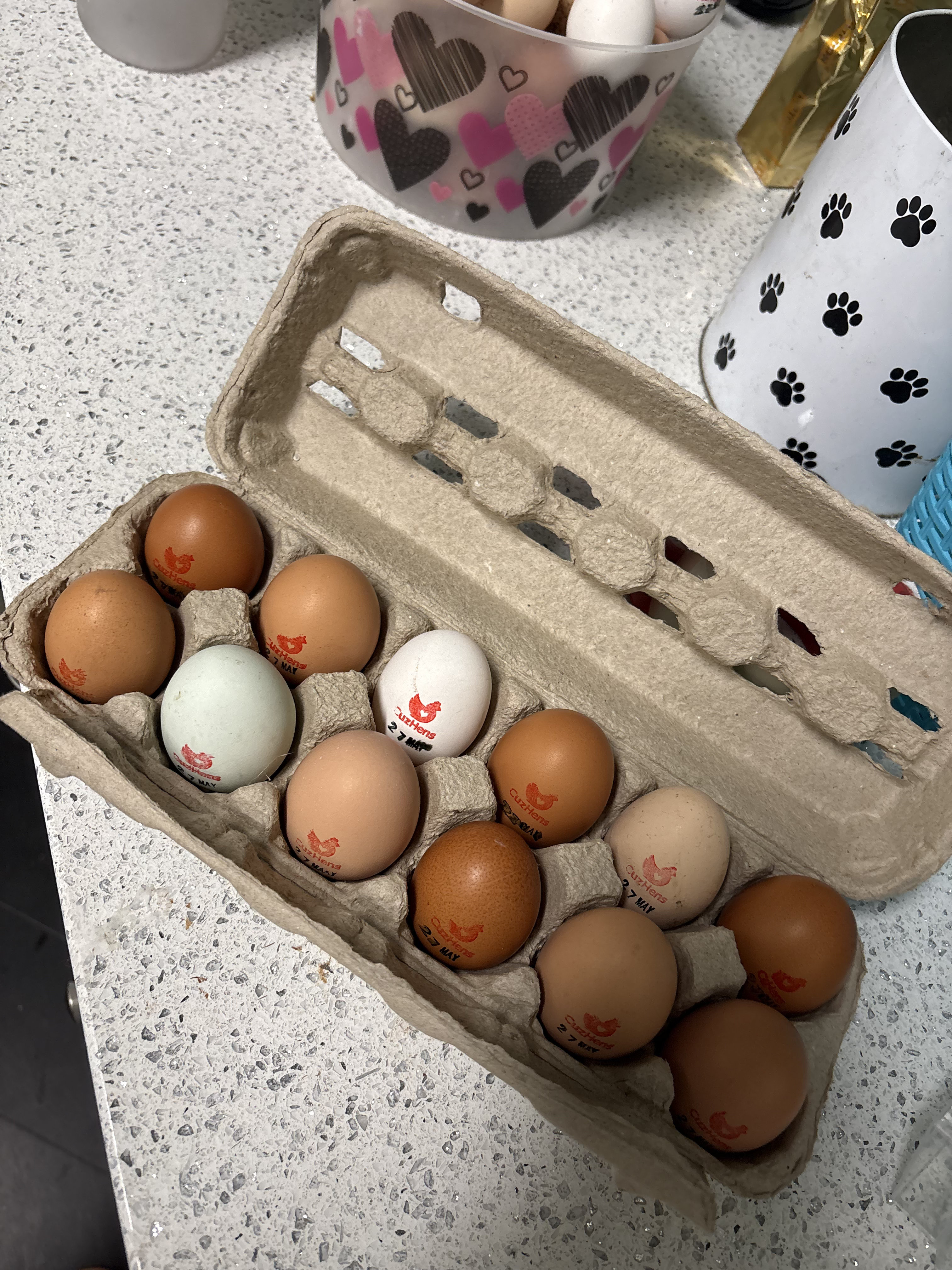
Many intermediate growers find success connecting with experienced duck raisers through communities like CuzHens Market, where troubleshooting advice and quality stock are readily available.
Common Questions
How long does it take to fix niacin deficiency? You should see noticeable improvement within 2-3 days of supplementation, with full recovery in 1-2 weeks if caught early. Permanent damage occurs if deficiency continues beyond 6-8 weeks of age.
Why are my ducks' feet turning orange instead of yellow? This is normal and relates to diet. Corn-heavy diets produce more orange coloring. It doesn't indicate health problems unless accompanied by other symptoms.
Can ducks recover from aspergillosis? Rarely. This fungal lung infection is usually fatal. Focus on prevention through dry bedding and fresh feed rather than attempting treatment.
How much space prevents most behavioral problems? Provide minimum 4 square feet per duck indoors and 15-20 square feet in outdoor runs. More space always helps, especially with drakes present.
Got a follow-up question or a tip of your own? Take it to the Community board.