Winter Chicken Care: A Beginner's Guide to Cold-Weather Poultry
Keep your flock healthy, warm, and productive through the coldest months with proven strategies
Understanding Your Chickens in Winter
Chickens are remarkably cold-hardy animals. Most breeds can tolerate temperatures well below freezing without supplemental heat, thanks to their insulating feathers and ability to generate body heat. The key to successful winter chicken keeping isn't about keeping them warm—it's about keeping them dry, well-fed, and draft-free.
Your main winter challenges will be managing moisture, preventing frostbite on combs and wattles, ensuring access to unfrozen water, and maintaining egg production. With proper preparation, your flock will thrive through even harsh winters.
Preparing the Coop for Cold Weather
Ventilation Without Drafts
Proper ventilation is your most important winter consideration. Chickens produce moisture through breathing and droppings, and trapped moisture leads to frostbite and respiratory illness. Install ventilation openings near the roof peak—warm, moist air rises and needs an escape route. Block drafts at chicken level by sealing gaps in walls below the roost bars.
A good rule of thumb: you should have at least 1 square foot of ventilation per 10 square feet of floor space, positioned above where birds roost.
Insulation and Bedding
Deep litter bedding serves as natural insulation and composting heat. Start with 3-4 inches of pine shavings or straw on the coop floor in fall. Add fresh bedding weekly throughout winter, stirring occasionally. By spring, you'll have 8-12 inches of bedding that generates gentle warmth through decomposition.
Avoid insulating the coop walls unless you live in extreme climates (below -20°F regularly). Over-insulated coops trap moisture and cause more problems than they solve.
Roost Bar Setup
Chickens stay warm by fluffing their feathers and tucking their feet under their bodies. Use wide, flat roost bars (2x4 boards work perfectly, with the wide side up) so birds can cover their feet completely while roosting. Space bars 12-18 inches apart and position them away from walls to prevent cold drafts.
Water and Feed Management
Preventing Frozen Water
Unfrozen water access is non-negotiable. Chickens need water to digest food and regulate body temperature. You have several options:
- Heated waterers: Electric bases or heated dog bowls keep water liquid down to -20°F
- Water heater bases: Thermostatically controlled to activate only when needed
- Manual refresh: Swap frozen waterers with fresh twice daily if you're home
- Insulated containers: Black rubber bowls in sunny spots can delay freezing
Check water at least twice daily during freezing weather. A 6-pound hen drinks approximately 1 pint of water daily, even in winter.
Adjusting Feed for Cold Weather
Chickens burn more calories staying warm in winter. Increase their feed by about 10-15% when temperatures drop below 32°F. Offer scratch grains (cracked corn and wheat) in late afternoon—the digestion process generates body heat overnight.
Maintain their regular layer feed as the primary diet. Scratch is a treat, not a complete nutrition source. Consider adding black oil sunflower seeds for extra fat and protein.
Health and Comfort Considerations
Preventing Frostbite
Frostbite affects combs, wattles, and toes when moisture freezes on exposed tissue. Large-combed breeds (Leghorns, Minorcas) are most vulnerable. Prevention strategies:
- Ensure excellent ventilation to reduce coop humidity
- Apply petroleum jelly to combs and wattles on nights below 10°F
- Provide wide roost bars for complete foot coverage
- Keep bedding dry to prevent wet feet
Frostbite appears as pale or blackened tissue. Affected areas may eventually fall off, but chickens typically recover well.
Managing Egg Production
Egg laying naturally decreases in winter due to reduced daylight, not cold temperatures. Hens need 14-16 hours of light daily for consistent laying. You can add supplemental coop lighting on a timer, turning on early morning to reach 14 total light hours.
Many keepers allow natural cycles, giving hens a winter break. This approach supports long-term health and productivity. Expect 1-2 eggs weekly per hen without supplemental light, versus 4-5 eggs with lighting.
Daily Winter Routines
Establish consistent daily habits:
Morning tasks:
- Refresh water and check for freezing
- Provide feed and assess consumption from previous day
- Open coop door for outdoor access (chickens decide whether to venture out)
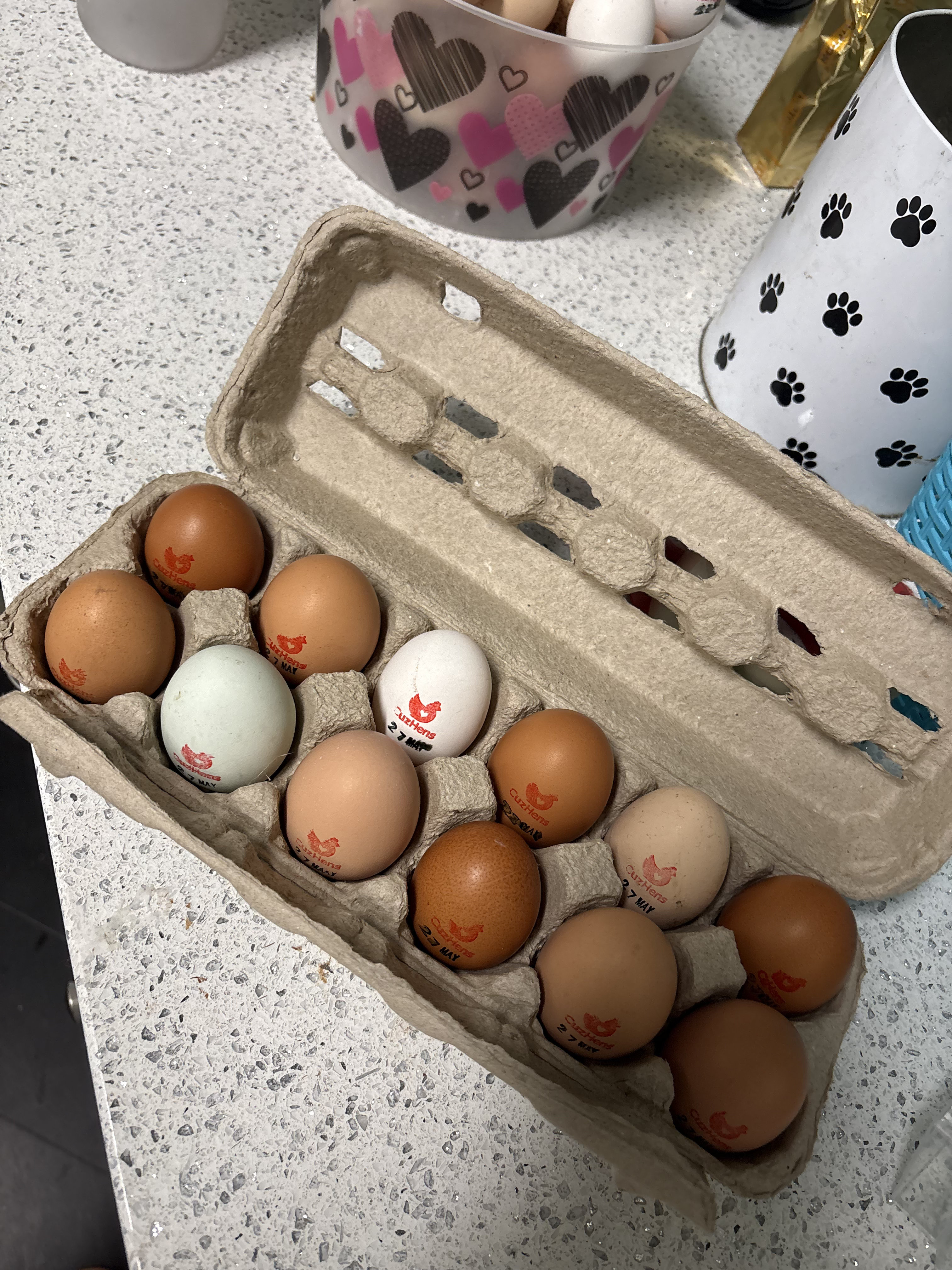
- Collect eggs promptly to prevent freezing
Evening tasks:
- Check water again
- Offer scratch grains or kitchen scraps
- Close coop door after all birds have roosted
- Do a quick head count
Weekly, add fresh bedding and remove any wet spots. Monthly, assess ventilation and draft protection.
Common Questions About Winter Chicken Care
Do I need a heat lamp in the coop? Generally no. Heat lamps pose serious fire risks and prevent chickens from naturally acclimating to cold. Healthy adult chickens handle cold well without supplemental heat. Exception: chicks under 6 weeks need warmth.
Will my chickens go outside in snow? Most chickens dislike snow but will venture out on clear paths. Shovel pathways or spread straw over snow. Some birds prefer staying inside—that's fine if the coop has adequate space (3-4 square feet per bird minimum).
How cold is too cold for chickens? Most breeds tolerate temperatures to -10°F or lower when properly housed. Focus on keeping them dry and draft-free rather than warm. Extremely cold-hardy breeds like Chanteclers and Wyandottes handle -30°F.
Should I close ventilation during extreme cold? No. Ventilation prevents dangerous moisture buildup. Keep upper vents open year-round. You can temporarily reduce ventilation area during severe storms, but never eliminate it completely.
Winter chicken keeping becomes routine once you understand the basics. Whether you're sourcing supplies through CuzHens Market or your local feed store, the same principles apply: prioritize dryness over warmth, maintain water access, and trust your birds' natural cold tolerance. Your flock will reward your care with health and eggs throughout the season.
Got a follow-up question or a tip of your own? Take it to the Community board.