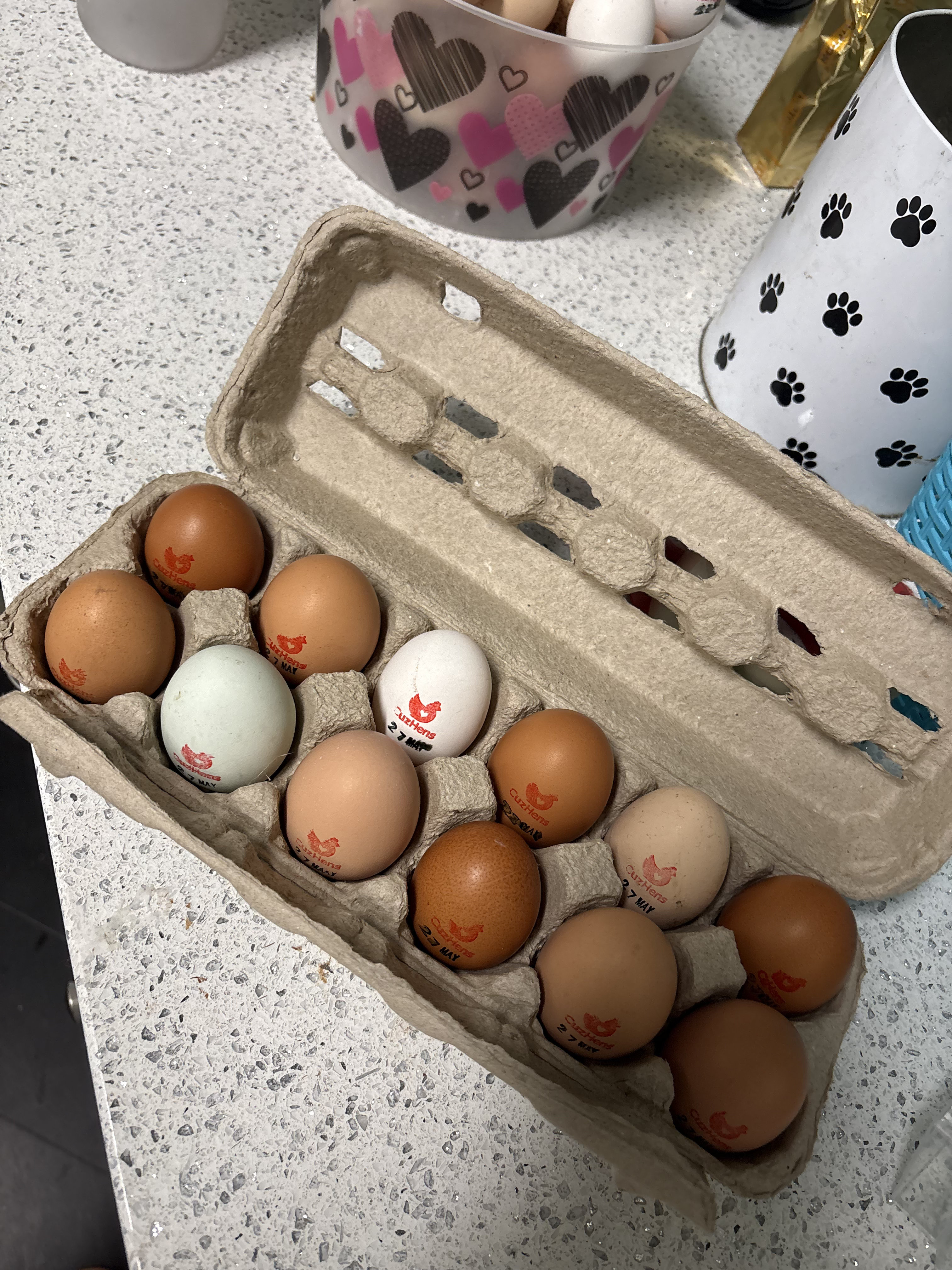
Predator Protection for Poultry: A Practical Guide for Farmers
Proven strategies to safeguard your flock from common threats without overspending
Predator Protection for Poultry: A Practical Guide for Farmers
Predation represents one of the most persistent challenges in poultry management. Whether you're running a 50-bird laying operation or managing heritage breeds for CuzHens Market customers, losses to predators directly impact your bottom line. This guide focuses on proven, cost-effective strategies that work across different farm scales and geographic regions.
Understanding Your Predator Pressure
Before investing in protection measures, identify which predators pose the greatest threat to your operation. Predator populations vary by region, but most farms face a combination of aerial, terrestrial, and opportunistic threats.
Common Predators by Type
Aerial predators:
- Hawks and eagles (daytime hunters)
- Owls (nocturnal)
- Ravens and crows (targeting chicks)
Terrestrial predators:
- Foxes, coyotes, and dogs
- Raccoons (extremely dexterous)
- Weasels, minks, and ferrets
- Bobcats and mountain lions (regional)
Opportunistic predators:
- Opossums
- Skunks
- Rats and snakes
Track losses by time of day and evidence left behind. Foxes typically remove entire birds, while raccoons often kill multiple birds and eat only choice parts. Weasels leave distinctive bite marks on necks and heads.
Coop Design and Fortification
Your coop serves as the primary defense, especially during nighttime hours when most predation occurs. A well-designed structure eliminates 80-90% of predator threats.
Essential Structural Elements
Hardware cloth over chicken wire: Use 1/2-inch hardware cloth on all openings. Standard chicken wire stops chickens but not determined predators. Raccoons tear through it easily, and weasels slip through 1-inch openings.
Buried barriers: Extend hardware cloth 12-18 inches below ground and bend it outward in an L-shape. This prevents digging predators from tunneling under walls. For permanent structures, pour a 4-inch concrete footer.
Secure latches: Install predator-proof latches with carabiners or combination locks. Raccoons can open simple hook-and-eye latches, slide bolts, and even some lever handles.
Ventilation without vulnerability: Position ventilation openings at least 5 feet high and cover them with 1/2-inch hardware cloth. Never leave gaps larger than 1/4 inch anywhere on the structure.
Flooring Considerations
Raised coops with wire floors prevent burrowing predators but require more bedding management. Solid floors with buried barriers work well for larger operations. Concrete floors with deep litter systems offer excellent predator protection and easier cleaning.
Perimeter Fencing and Run Security
Free-range and pastured operations require different strategies than confined housing. Layer your defenses to account for multiple predator types.
Effective Fencing Systems
Electric poultry netting: Mobile electric netting (42-48 inches high) works well for rotational grazing. Maintain 4,000-5,000 volts for effectiveness. Check voltage weekly and keep vegetation clear to prevent grounding.
Permanent perimeter fencing: Use 6-foot welded wire or chain link with a hot wire offset 12 inches from the fence at nose height (12-18 inches for canines). Add a ground-level hot wire to deter diggers.
Overhead protection: Cover runs with netting, wire, or poultry netting to stop aerial attacks. For large runs, string monofilament fishing line in a 2-foot grid pattern 6-8 feet above ground. Hawks avoid areas where they can't clearly assess landing zones.
Guardian Animals
Livestock guardian dogs, when properly trained, reduce predation by 80-95% in pastured operations. Expect 12-18 months of training before a guardian dog works independently. Donkeys and llamas work well against canine predators but won't protect against aerial or small terrestrial threats.
Active Deterrents and Management Practices
Passive structures work best when combined with active management. Predators are opportunistic and probe for weaknesses regularly.
Daily and Weekly Protocols
Lock birds in before dusk: Predators learn your schedule. Lock coops at the same time each evening, before twilight when many predators become active.
Remove attractants: Secure feed in metal containers, clean up spills immediately, and remove dead birds within hours. Predators attracted to easy food sources will eventually target live birds.
Motion-activated lighting: Install lights with sensors around coops and high-traffic areas. Sudden illumination disrupts nocturnal predators. Combine with noise-making devices for greater effectiveness.
Regular perimeter walks: Check fencing, look for digging attempts, and identify tracks weekly. Early detection of predator activity allows you to reinforce vulnerable points before losses occur.
Seasonal Adjustments
Predator pressure increases during breeding seasons (spring) and when natural prey is scarce (late winter). Young predators dispersing in fall create temporary pressure spikes. Increase vigilance during these periods and consider temporary confinement if losses occur.
Common Questions
How much should I budget for predator protection on a new coop? Plan for 15-25% of total coop construction costs. A basic 8x10 coop might cost $800-1,200 in materials, with $200-300 dedicated to hardware cloth, secure latches, and buried barriers.
Will motion-activated sprinklers work as deterrents? They provide temporary relief but predators habituate quickly, usually within 7-10 days. Use them as part of a layered approach, not as a primary defense.
Can I train my farm dog to protect chickens? Most herding and working breeds can learn to coexist with poultry, but true livestock guardian breeds (Great Pyrenees, Anatolian Shepherds, Maremmas) are bred specifically for protection work and perform more reliably.
How do I protect birds during the day without constant supervision? Combine covered runs with strategic placement near human activity. Predators avoid areas with regular human presence. Position day ranges within sight of your home or work areas when possible.
What's the single most effective predator protection investment? Secure nighttime housing with proper hardware cloth and buried barriers prevents 80-90% of losses. Most predation occurs between dusk and dawn when birds are vulnerable and confined.
Got a follow-up question or a tip of your own? Take it to the Community board.