How to Choose the Best Chicken Breeds for Your Backyard Flock
How to Choose the Best Chicken Breeds for Your Backyard Flock
Standing in front of a hatchery catalog or browsing chicks at the feed store can feel overwhelming. Silkies, Orpingtons, Leghorns, Wyandottes—the list goes on. Each breed has its champions, but the "best" chicken for your neighbor's setup might be a poor fit for yours.
The good news? Matching breeds to your specific situation isn't complicated once you know what to look for. Let's walk through the key factors that'll help you build a flock that thrives in your backyard.
Start With Your Primary Goal
Before you fall in love with those fluffy Cochins, get honest about what you want most from your flock.
Egg production? Breeds like Rhode Island Reds, Leghorns, and Australorps are your workhorses—expect 250-300 eggs per year from these reliable layers. They're efficient, consistent, and bred specifically for egg output.
Meat or dual-purpose? If you're raising birds for the table or want a breed that lays well and provides meat, look at Orpingtons, Plymouth Rocks, or Freedom Rangers. These birds grow larger and dress out better than pure layers.
Pets and garden companions? Silkies, Cochins, and Easter Eggers tend toward docile, friendly personalities. They won't break egg records, but they're wonderful for families with kids or anyone who wants chickens as part of the backyard experience rather than pure production.
Most backyard keepers find a mixed flock works beautifully—a few high-production layers, a couple of friendly dual-purpose birds, and maybe one ornamental breed for personality.
Consider Your Climate Seriously
Chickens are adaptable, but some breeds handle temperature extremes far better than others.
Cold climates call for cold-hardy breeds with small combs (less frostbite risk) and fluffy feathering. Wyandottes, Brahmas, and Chanteclers were literally developed for harsh winters. They'll keep laying through cold snaps that shut down more delicate breeds.
Hot, humid areas need heat-tolerant birds with larger combs for cooling and lighter body mass. Leghorns, Andalusians, and Minorcas handle southern summers without the heat stress that can kill heavy, fluffy breeds.
Moderate climates give you the most flexibility. Most popular breeds—Australorps, Rhode Island Reds, Plymouth Rocks—do fine in temperate zones with basic shelter.
Don't underestimate this factor. I've seen too many backyard keepers lose beloved birds to weather extremes that the wrong breed simply couldn't handle.
Match Breed Temperament to Your Setup
Personality matters more than most beginners realize.
Flighty, active breeds like Leghorns and Hamburgs are fantastic layers but poor choices for small urban yards. They fly well, startle easily, and prefer free-ranging over confinement. They'll test your fencing and patience.
Calm, docile breeds such as Orpingtons, Australorps, and Faverolles handle confinement better, stay inside reasonable fences, and tolerate handling. If you have kids, close neighbors, or limited space, temperament trumps an extra egg per week.
Broody tendencies also vary by breed. Silkies and Cochins go broody at the drop of a hat—great if you want natural incubation, frustrating if you just want eggs. Production breeds like Sex-Links rarely go broody at all.
Space Requirements Aren't One-Size-Fits-All
The standard "4 square feet per bird in the coop, 10 in the run" is a starting point, but breed size matters.
Bantams (miniature chickens) need roughly half the space of standard breeds. You can keep twice as many bantam Cochins or Silkies in the same footprint. Their eggs are smaller, but for tight urban lots, they're perfect.
Large fowl like Jersey Giants, Brahmas, and Orpingtons need extra room. These birds can hit 8-10 pounds, and cramming them into minimum space leads to pecking, stress, and health issues.
Active foragers need more outdoor space than calm breeds, regardless of body size. A Leghorn in a 10x10 run will be miserable; an Orpington will be content.
Egg Color and Aesthetics (Yes, It's Okay to Care)
Function first, but there's nothing wrong with enjoying beautiful eggs and pretty birds.
Brown egg layers include most popular backyard breeds—Rhode Island Reds, Orpingtons, Wyandottes. These are your classic farm eggs.
White eggs come primarily from Leghorns and other Mediterranean breeds. They're identical nutritionally but look different in the carton.
Blue and green eggs from Ameraucanas, Easter Eggers, and Olive Eggers add visual interest. Kids especially love the novelty, and farmers market customers often pay a premium for colored eggs.
Some breeds are simply stunning—laced Wyandottes, blue Orpingtons, speckled Sussex. If you're going to watch these birds daily, pick some you enjoy looking at.
Quick Breed Selection Checklist
Before you order, run through this list:
- Climate match: Will this breed handle your summers and winters?
- Space available: Do you have room for large fowl or should you consider bantams?
- Primary purpose: Eggs, meat, pets, or a combination?
- Temperament fit: Active free-rangers or calm backyard pets?
- Noise tolerance: Hens are generally quiet, but some breeds are chattier (matters for close neighbors)
- Availability: Can you source these breeds locally, or will you need to ship chicks?
Start Small, Learn, Then Expand
Here's my standard advice for beginners: start with 3-4 birds from different breeds. You'll quickly learn which ones fit your management style, climate, and goals. Your second batch of chicks will be much better informed than your first.
Most hatcheries offer "rainbow layer" assortments—a mix of breeds that all lay well but give you variety to evaluate. It's a smart way to test-drive different options without committing to a dozen of one breed.
The perfect flock looks different for everyone. A retiree with acreage and a family with a 20x20 urban backyard need completely different birds. Focus on your situation, not what works for someone else, and you'll end up with chickens that make you happy every time you head out to the coop.
Questions about specific breeds for your situation? Head over to our community forum where experienced backyard keepers are happy to share what's worked (and what hasn't) in setups similar to yours.
Keep reading
Shop related products
Browse all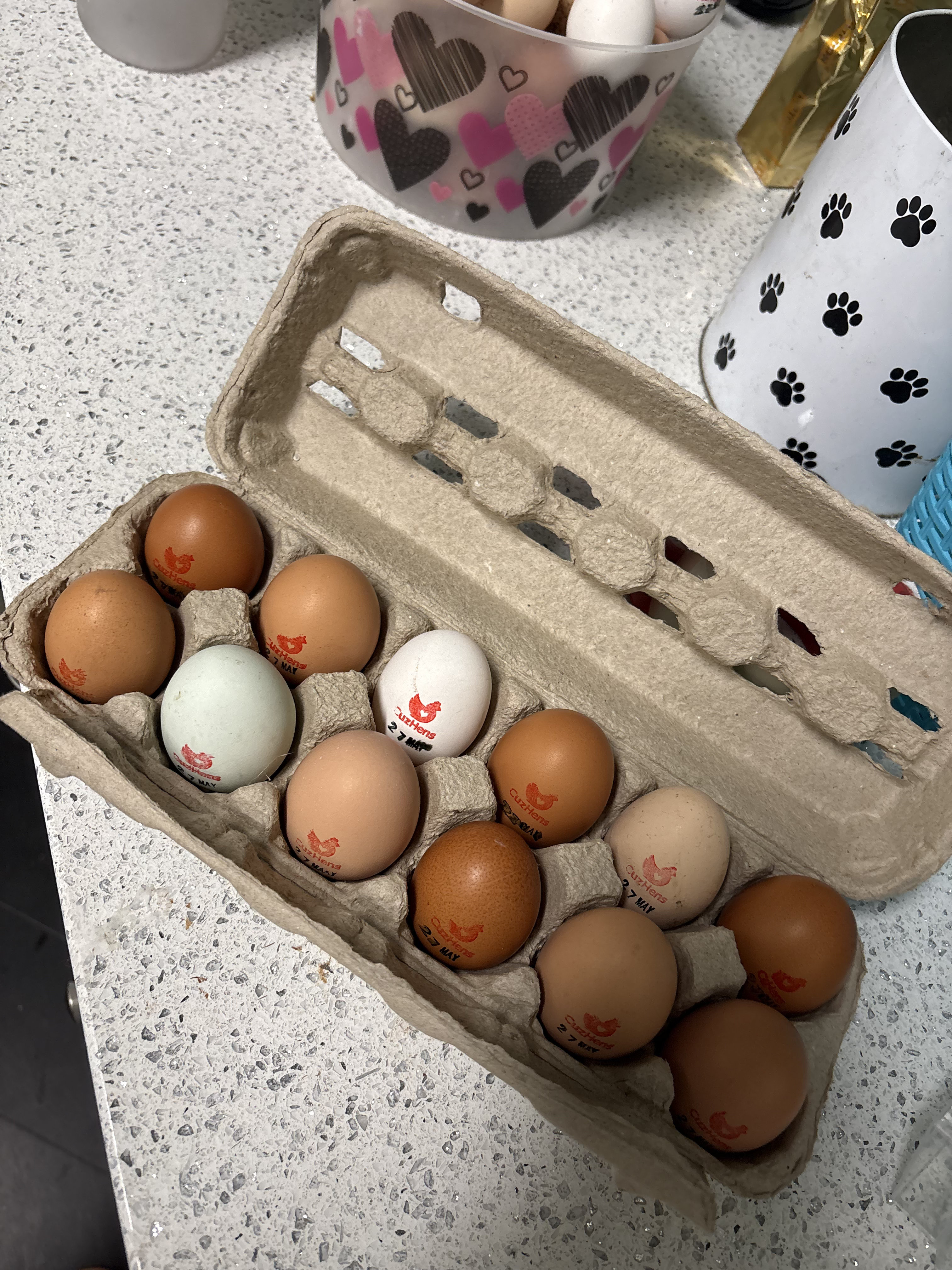
Got a follow-up question or a tip of your own? Take it to the Community board.