Organic Square Foot Gardening: Grow More in Less Space
Maximize yields using chemical-free intensive planting techniques in raised bed gardens
Organic Square Foot Gardening: Grow More in Less Space
Square foot gardening transforms how we think about vegetable production. By dividing raised beds into one-foot squares and using organic methods, you can grow 5 times more food than traditional row gardening while building healthier soil. This approach suits intermediate growers ready to maximize their harvest without synthetic inputs.
Building Your Organic Square Foot Garden Foundation
The success of any square foot garden starts with proper bed construction and soil preparation. Unlike conventional methods that rely on chemical fertilizers, organic square foot gardening depends on creating a living soil ecosystem from day one.
Bed Construction Basics
Build raised beds 4 feet wide by 4, 8, or 12 feet long with 6-12 inch depth. Cedar or untreated lumber works best for organic systems. Add a grid of strings or wooden slats to divide the bed into one-foot squares—this visual guide prevents overcrowding and simplifies crop rotation.
Creating Mel's Mix Organically
The traditional square foot gardening soil mix calls for equal parts compost, peat moss, and vermiculite. For a fully organic approach, substitute coconut coir for peat moss and add:
- 1/3 finished compost from multiple sources (avoid single-source compost)
- 1/3 coconut coir or aged leaf mold
- 1/3 vermiculite or perlite for aeration
- Add 2-3 cups of organic all-purpose fertilizer per 4x4 bed
- Mix in 1 cup of kelp meal for trace minerals
This blend provides excellent drainage while holding moisture and nutrients without synthetic additives.
Organic Fertilization and Soil Building
Maintaining fertility organically in intensive plantings requires strategic nutrient management. Square foot gardens demand more nutrients than traditional gardens because of their density.
Season-Long Feeding Strategy
Apply these organic amendments throughout the growing season:
- Early season: Side-dress heavy feeders with 1/4 cup worm castings per square
- Mid-season: Water with compost tea every 2-3 weeks
- Late season: Top-dress with 1/2 inch aged compost between plantings
- Year-end: Add 2 inches of compost before winter mulching
Natural Nutrient Sources
Different crops deplete specific nutrients. Rotate these organic amendments based on what you're growing:
- Blood meal or alfalfa pellets for nitrogen-hungry leafy greens
- Bone meal for phosphorus-loving root vegetables
- Greensand or wood ash (sparingly) for potassium-demanding fruiting plants
- Fish emulsion foliar spray for quick nutrient uptake during peak growth
Intensive Planting With Organic Principles
Square foot gardening's core concept—planting based on mature plant size—works beautifully with organic companion planting strategies.
Plants Per Square Guidelines
Follow these organic spacing recommendations:
- 1 plant per square: tomatoes, peppers, eggplant, cabbage
- 4 plants per square: lettuce, chard, parsley, marigolds
- 9 plants per square: spinach, beets, bush beans, onions
- 16 plants per square: radishes, carrots, scallions
Companion Planting in Squares
Combine plants strategically within and between squares:
- Plant basil squares next to tomato squares to deter aphids
- Alternate carrot and onion squares to confuse carrot flies
- Place nasturtium squares at bed corners as trap crops
- Interplant quick-growing radishes with slower crops like carrots
These combinations reduce pest pressure naturally while maximizing space efficiency.
Organic Pest and Disease Management
Intensive planting can increase disease pressure, but organic methods keep problems in check without chemicals.
Prevention Through Design
- Space beds 2-3 feet apart for air circulation
- Water at soil level using drip irrigation or soaker hoses
- Remove diseased leaves immediately to prevent spread
- Practice strict crop rotation, even square by square
- Use floating row covers for pest exclusion during vulnerable stages
Natural Intervention Strategies
When problems arise, respond with targeted organic solutions:
- Hand-pick beetles and caterpillars during morning inspections
- Spray neem oil solution for soft-bodied pests (follow label directions)
- Apply Bt (Bacillus thuringiensis) for caterpillar infestations
- Use copper fungicide for fungal issues on fruiting plants
- Encourage beneficial insects with dedicated pollinator squares
Many growers on CuzHens Market report that square foot gardens actually have fewer pest issues than traditional gardens because healthy soil creates resilient plants.
Succession Planting and Crop Rotation
Keep your organic square foot garden producing continuously by thinking in terms of square-by-square succession rather than whole-bed plantings.
Succession Strategies
Replant individual squares every 2-3 weeks:
- Follow early spring lettuce with summer basil, then fall spinach
- Replace harvested pea squares with cucumbers, then late-season kale
- Plant radishes between transplants, harvest before main crop needs space
Square-Level Crop Rotation
Rotate plant families square by square to prevent nutrient depletion and disease buildup:
- Year 1: Nightshades (tomatoes, peppers) → Year 2: Legumes (beans, peas) → Year 3: Brassicas (cabbage, broccoli) → Year 4: Roots (carrots, beets)
Keep a simple grid map noting what grew in each square to plan next season's rotation.
Common Questions About Organic Square Foot Gardening
How often should I replace the soil mix? With proper organic matter additions, the soil improves over time. Add 1-2 inches of compost annually rather than replacing the entire mix. After 5-7 years, you may refresh the bottom third of the bed.
Can I grow organically certified vegetables in a square foot garden? Yes, if you use certified organic inputs and follow organic practices. Keep detailed records of all amendments and seeds used for potential certification.
Do I need to fertilize as heavily with organic methods? Organic fertilizers release nutrients more slowly than synthetic ones, so apply them more frequently but at moderate rates. The diverse soil biology in organic systems actually improves nutrient availability over time.
What's the best way to manage weeds organically in tight spaces? The dense planting naturally suppresses weeds. Hand-pull any that appear, and mulch pathways with wood chips or straw to prevent weed migration into beds.
Keep reading
Shop related products
Browse all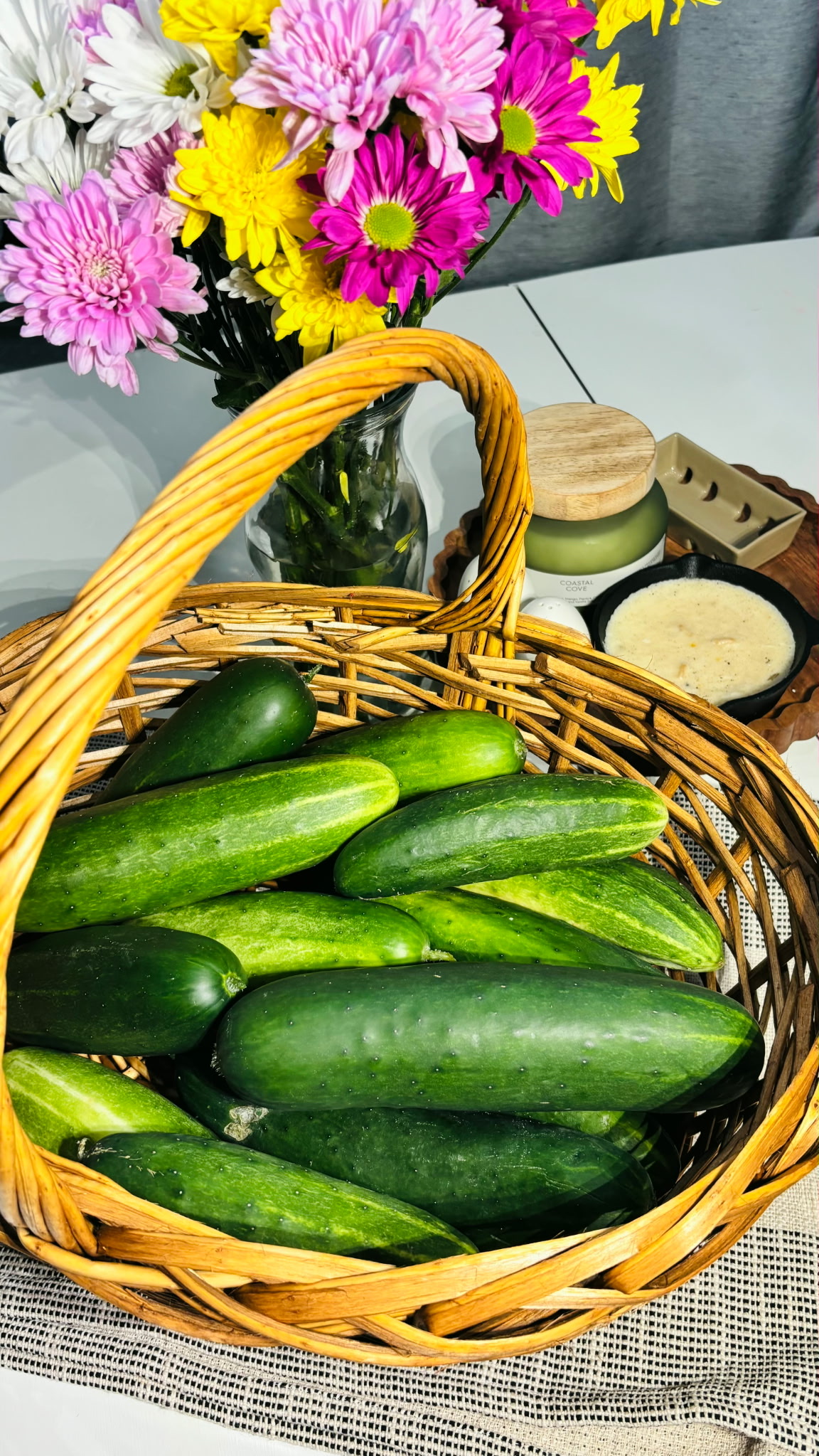
Got a follow-up question or a tip of your own? Take it to the Community board.