Square Foot Gardening for Small Farms: Maximize Every Inch
Transform limited growing space into high-yield production zones with proven techniques
Square Foot Gardening for Small Farms: Maximize Every Inch
Small-acreage farmers face a unique challenge: generating viable income from limited growing space. Square foot gardening, traditionally associated with home gardens, offers commercial-scale solutions when adapted properly. This intensive method can produce up to five times more vegetables per square foot than traditional row planting while reducing water use by 80% and nearly eliminating weeding.
Understanding the Square Foot Method for Farm Production
Square foot gardening divides growing beds into 1-foot squares, with each square planted according to crop size and spacing needs. A single square might hold one tomato plant, four lettuce heads, nine beets, or sixteen radishes.
For small farms, this translates to precise inventory planning and maximized revenue per square foot. A 4x8 raised bed contains 32 individual squares, allowing you to grow 32 different crop varieties or strategically repeat high-value crops.
Calculating Your Production Potential
A standard 4x4 foot bed occupies 16 square feet but can yield:
- 16 heads of cabbage (one per square)
- 64 carrots (four per square in 16 squares)
- 256 radishes (sixteen per square in 16 squares)
- Mixed plantings combining multiple crops for continuous harvest
This density makes square foot gardening particularly valuable when you're selling direct-to-consumer through farmers markets or platforms like CuzHens Market, where crop variety matters as much as volume.
Setting Up Production Beds
Bed Construction and Soil Management
Build beds 4 feet wide to allow easy reach from both sides without soil compaction from foot traffic. Length can vary based on available space, though 8-12 feet works well for most operations.
Use a soil mix of:
- One-third peat moss or coconut coir
- One-third vermiculite or perlite
- One-third blended compost (at least 5 different sources)
This "Mel's Mix" formula drains well, holds nutrients, and eliminates the need for tilling. Initial investment runs approximately $120 per 4x8 bed including lumber and soil components, but beds last 7-10 years with proper maintenance.
Grid System Implementation
Create permanent grids using:
- Vinyl blinds cut into slats
- Untreated wooden lath strips
- Nylon cord strung between small eye hooks
- PVC pipe cut and laid in grid patterns
Physical grids prevent planting errors during busy seasons and help workers maintain proper spacing without constant measurement.
Crop Selection and Rotation Strategies
High-Value Crops for Maximum Returns
Focus on crops that command premium prices and suit intensive spacing:
- Salad greens (harvest in 30-45 days)
- Herbs like basil and cilantro (continuous harvest)
- Cherry tomatoes (vertical growth, high yield)
- Specialty peppers (compact, high-value)
- Baby root vegetables (quick turnover)
Succession Planting Calendar
Plant new squares every 1-2 weeks to maintain continuous harvest. When you harvest lettuce from four squares in week one, replant those squares immediately with either the same crop or a complementary one.
This approach generates 8-12 harvests per season from the same bed space, compared to 1-2 harvests from traditional row planting.
Vertical Growing Techniques
Maximize cubic footage, not just square footage, by growing upward.
Trellising and Support Systems
Install:
- Cattle panel arches over beds (16 feet long, 50 inches tall)
- A-frame trellises at bed ends
- Removable stakes and string systems
- Wire cages for determinate crops
Vining crops like cucumbers, pole beans, and peas produce 3-4 times more per square when grown vertically. A single square can yield 8-10 pounds of pole beans versus 2-3 pounds of bush beans.
Companion Planting in Three Dimensions
Plant shade-tolerant crops like lettuce beneath trellised tomatoes or cucumbers. The vertical crop provides afternoon shade during hot months, extending the cool-season crop harvest window by 3-4 weeks.
Season Extension and Intensive Scheduling
Cold Frames and Row Covers
Square foot beds adapt easily to season extension because of their compact size. A 4x8 bed requires only a simple cold frame to extend seasons by 6-8 weeks on both ends.
Use 6-mil greenhouse plastic over PVC hoops to protect crops when temperatures drop below 35°F. This setup costs approximately $25 per bed and adds two additional planting cycles per year.
Interplanting Fast and Slow Crops
Plant radishes (25-day maturity) between cabbage transplants (70-day maturity). Harvest the radishes before the cabbage needs the space. This technique, called interplanting, increases bed productivity by 30-40% without additional square footage.
Common Questions About Square Foot Gardening on Farms
Is square foot gardening actually profitable at commercial scale? Yes, when focused on high-value crops for direct sales. Farmers report $3-8 per square foot gross revenue with proper crop selection and succession planting, compared to $0.50-2 per square foot with traditional methods.
How many beds does a small farm need to generate income? Starting with 20-30 beds (approximately 800-1200 square feet) provides enough variety and volume for steady farmers market sales. This requires roughly 1500 square feet of total space including pathways.
What about irrigation in raised beds? Drip irrigation works best. Install a main line along bed edges with 6-inch emitter spacing. A 4x8 bed needs approximately 2 gallons per day during peak summer, totaling 60 gallons monthly per bed.
Can I use square foot methods in ground-level gardens? Absolutely. The grid system and intensive spacing work in any setting. Raised beds offer better drainage and soil control but aren't required for the method to succeed.
Keep reading
Shop related products
Browse all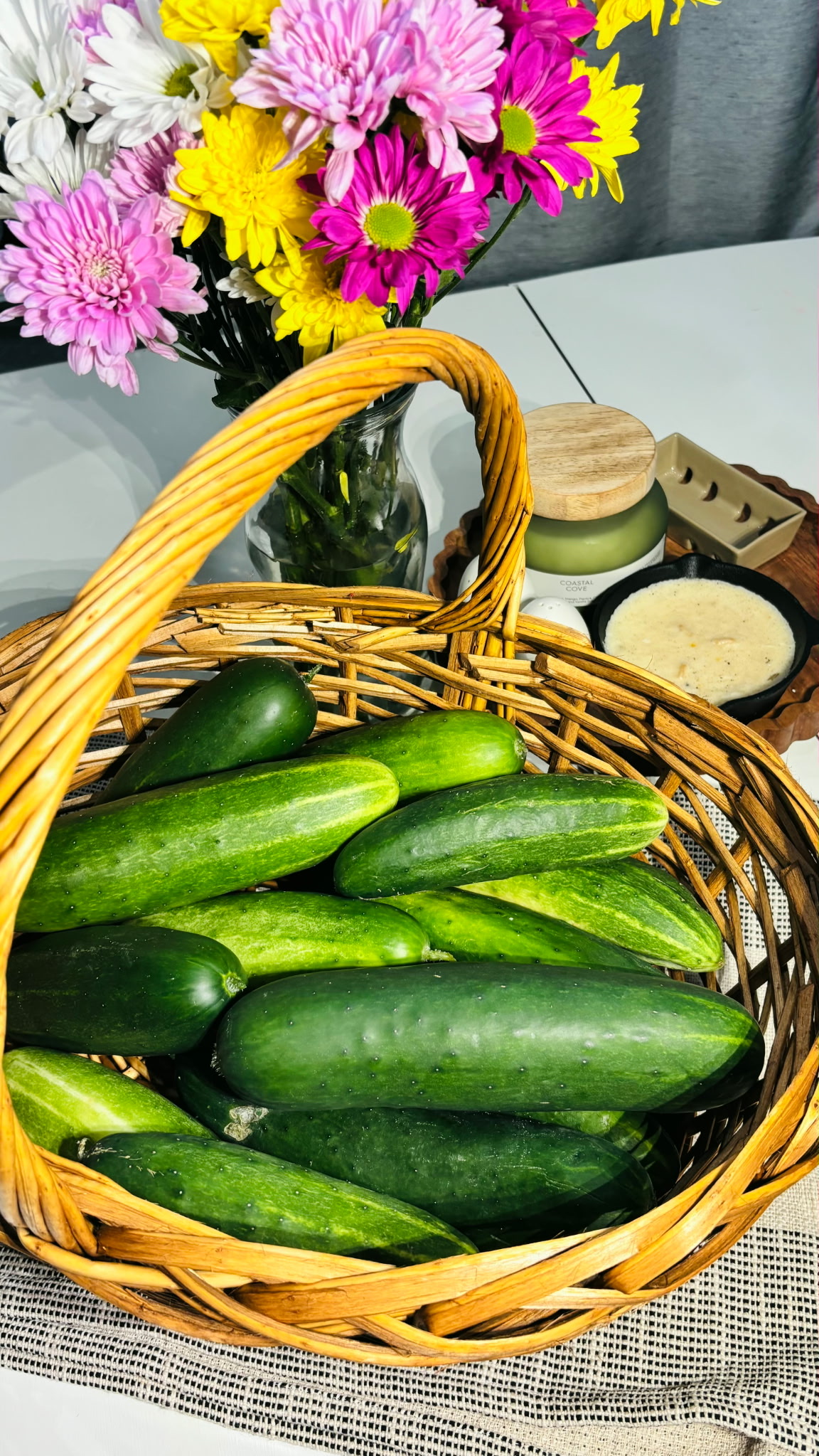
Got a follow-up question or a tip of your own? Take it to the Community board.