How to Start a Backyard Vegetable Garden for Beginners
How to Start a Backyard Vegetable Garden for Beginners
There's something magical about stepping outside your back door and harvesting fresh tomatoes for dinner. No grocery store trip, no plastic packaging—just you and the food you grew yourself. If you've been dreaming about starting a vegetable garden but feel overwhelmed by where to begin, you're in the right place. Let's break down the essentials so you can get your hands dirty with confidence.
Start Small and Choose Your Spot Wisely
The biggest mistake new gardeners make? Going too big, too fast. A well-tended 4x8 foot bed will produce more food than a neglected quarter-acre plot. Start with a manageable space—even a few containers on a sunny patio work beautifully.
Your garden needs at least 6-8 hours of direct sunlight daily for most vegetables. Watch your yard throughout the day to identify the sunniest spots. South-facing areas typically get the most light. Also consider water access—you don't want to haul buckets across the yard every day—and drainage. Avoid low spots where water pools after rain.
If you're working with less-than-ideal sun, don't give up. Leafy greens like lettuce, spinach, and kale tolerate partial shade better than fruiting plants like tomatoes and peppers.
Get Your Soil Right From the Start
Healthy soil is the foundation of a productive garden. Most vegetables thrive in loose, well-draining soil rich in organic matter. If you're starting with lawn or compacted earth, you'll need to improve it.
For a new garden bed, remove the grass and dig down about 8-12 inches, breaking up compacted soil. Mix in 2-4 inches of compost—this is your secret weapon. Compost feeds beneficial microbes, improves drainage in clay soils, and helps sandy soils retain moisture.
Don't know your soil type? Grab a handful of moist soil and squeeze it. If it forms a tight ball that doesn't crumble, you have clay. If it won't hold together at all, it's sandy. The ideal is somewhere in between—holds shape briefly, then crumbles.
Raised beds are a fantastic shortcut for beginners. Fill them with a mix of quality topsoil, compost, and peat moss or coconut coir, and you skip the soil amendment process entirely.
Choose Beginner-Friendly Crops
Not all vegetables are created equal when it comes to ease of growing. Start with reliable, productive crops that forgive beginner mistakes:
Easy wins for most climates:
- Lettuce and salad greens (quick harvest, cool-season)
- Tomatoes (warm-season favorite, choose determinate varieties for easier management)
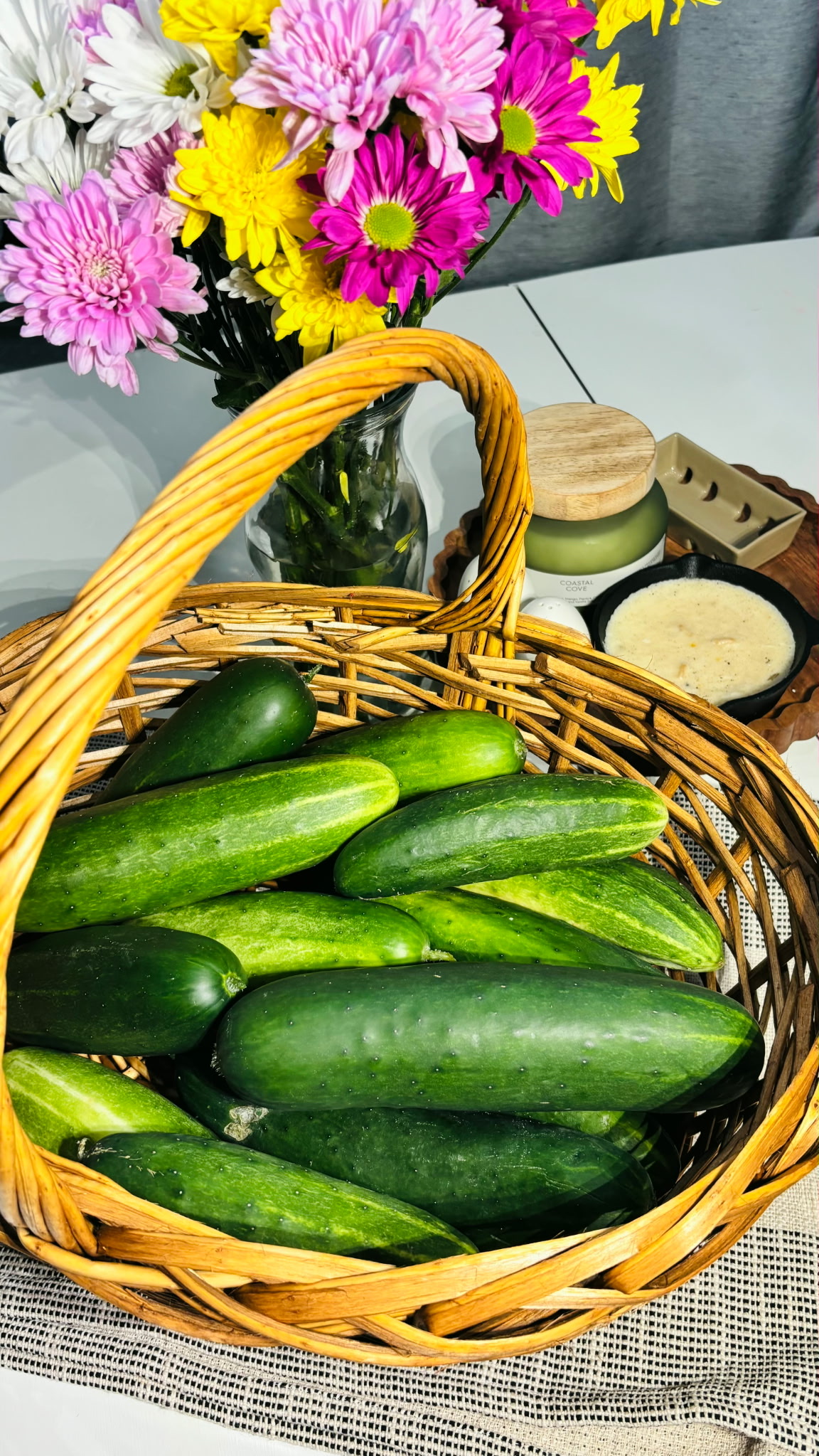
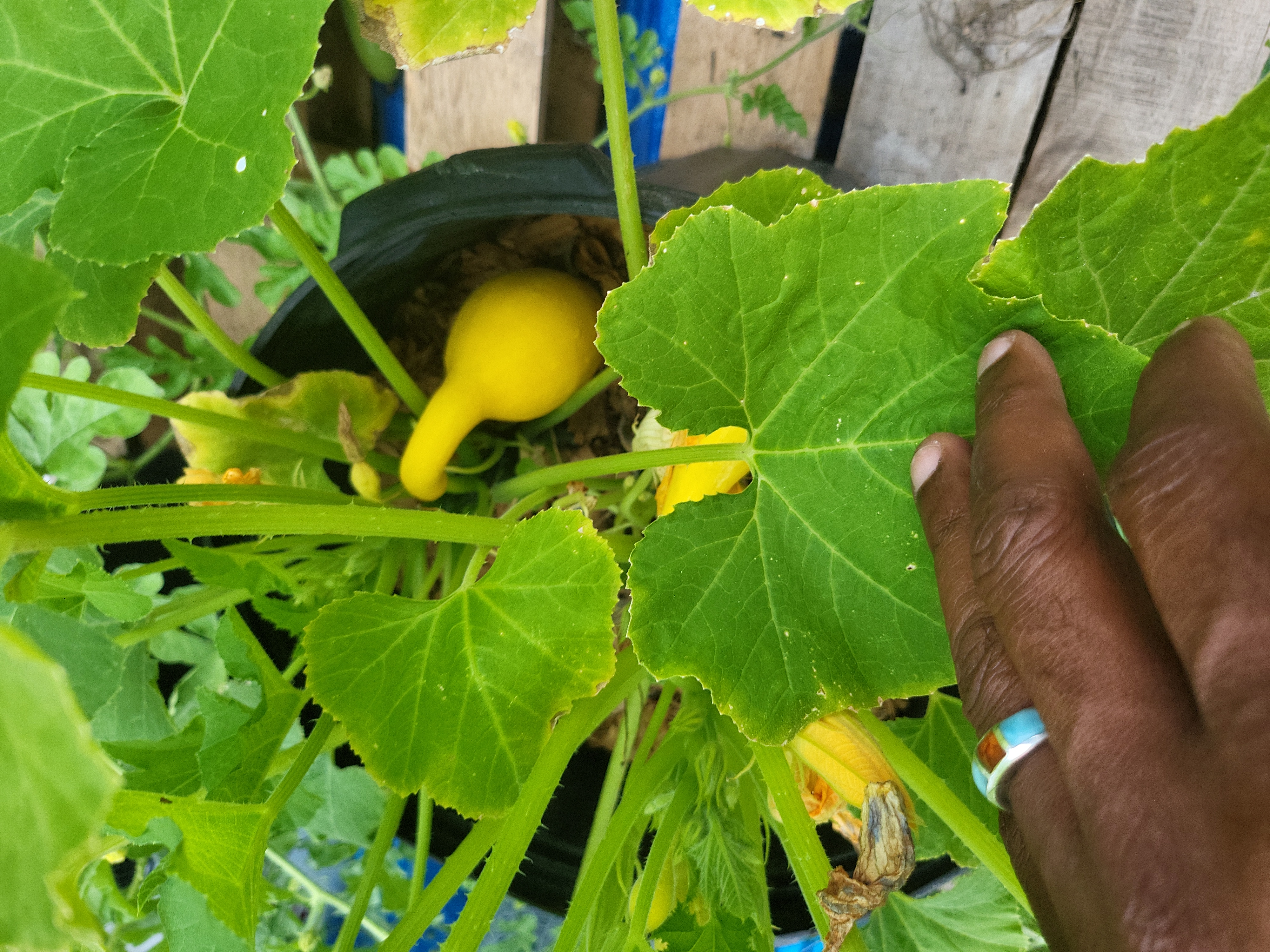
- Zucchini and summer squash (incredibly productive)
- Bush beans (no staking needed)
- Radishes (ready in 3-4 weeks!)
- Herbs like basil, cilantro, and parsley
Consider your climate and season. Cool-season crops like peas, broccoli, and spinach go in early spring or fall. Warm-season crops like tomatoes, peppers, and cucumbers need warm soil and no frost risk. Check your USDA hardiness zone and last frost date—these determine your planting calendar.
Start with 4-6 different crops rather than trying to grow everything at once. You'll learn what works in your specific conditions without feeling overwhelmed.
Water Consistently and Mulch Generously
Inconsistent watering stresses plants and leads to problems like blossom end rot in tomatoes or bitter lettuce. Most vegetables need about 1 inch of water per week, either from rain or irrigation.
Water deeply but less frequently to encourage deep root growth. Early morning is ideal—leaves dry quickly, reducing disease risk. Stick your finger 2 inches into the soil; if it's dry, it's time to water.
Mulch is your best friend. A 2-3 inch layer of straw, shredded leaves, or wood chips around plants keeps soil moist, suppresses weeds, and regulates soil temperature. It breaks down over time, adding organic matter to your soil. Just keep mulch a few inches away from plant stems to prevent rot.
Learn as You Grow (Literally)
Your first garden won't be perfect, and that's completely fine. Every experienced gardener started exactly where you are now. Pay attention to what works and what doesn't. Keep notes if you're inclined—which varieties produced well, when you planted, what pests showed up.
Join local gardening groups or online communities where you can ask questions specific to your area. Experienced gardeners love sharing knowledge, and regional advice is often more valuable than generic tips.
Quick Start Checklist
Before you plant, make sure you have:
- Sunny location identified (6-8 hours minimum)
- Soil prepared with compost mixed in
- Beginner-friendly seeds or transplants suited to your season
- Watering plan and equipment (hose, watering can, or drip system)
- Mulch material ready to spread
- Basic tools: trowel, garden fork, gloves
Starting a vegetable garden is one of the most rewarding projects you can tackle. Fresh food, outdoor time, and the satisfaction of growing something with your own hands—it's all waiting for you just outside your door.
Got questions about your specific situation? Head over to our community forum where backyard growers share tips, troubleshoot problems, and celebrate harvests together. We'd love to hear what you're planning to grow!
Got a follow-up question or a tip of your own? Take it to the Community board.