Greenhouse Basics for Urban Homesteaders: A Beginner's Guide
Learn how to choose, set up, and maintain your first greenhouse in a small urban space
Greenhouse Basics for Urban Homesteaders: A Beginner's Guide
A greenhouse transforms your urban homestead by extending your growing season, protecting tender plants, and giving you control over the growing environment. Even a small 6x8-foot structure can produce fresh greens through winter and give seedlings a strong start before transplanting outdoors. This guide walks you through the essentials of choosing, setting up, and managing your first greenhouse.
Choosing the Right Greenhouse for Your Space
Size and Placement
Urban homesteaders typically work with limited space, making greenhouse selection critical. A 6x8-foot or 8x10-foot structure fits most city lots while providing adequate growing room. Choose a location that receives at least 6 hours of direct sunlight daily, ideally with southern exposure.
Avoid placing your greenhouse under trees or near buildings that cast afternoon shade. Check local zoning regulations before installation, as some municipalities classify greenhouses as permanent structures requiring permits.
Types of Greenhouses
Lean-to greenhouses attach to an existing wall, saving space and sharing heat from your home. They work well for narrow side yards.
Freestanding hoop houses use curved PVC or metal frames covered with polyethylene film. They're affordable ($200-500 for a small structure) and easy to assemble.
Polycarbonate panel greenhouses offer better insulation than plastic film and last 10-15 years with proper care. Expect to invest $800-2,000 for a quality small unit.
Cold frames are miniature greenhouses, typically 3x6 feet, perfect for season extension on patios or balconies.
Essential Climate Control
Temperature Management
Greenhouses trap heat effectively—sometimes too effectively. Without ventilation, interior temperatures can reach 120°F on sunny days, even in winter. Install roof vents or windows that open automatically using temperature-sensitive actuators (available for $40-80).
For heating, many urban greenhouses rely on passive solar gain. Adding thermal mass helps stabilize temperatures: place 5-gallon buckets filled with water along the north wall. Water absorbs heat during the day and releases it at night, preventing dramatic temperature swings.
In cold climates, a small electric heater set to maintain 40-45°F protects plants during extreme cold snaps.
Humidity and Air Circulation
Proper airflow prevents fungal diseases and strengthens plant stems. A small oscillating fan running 4-6 hours daily keeps air moving. Aim for 50-70% humidity for most vegetables. Too much moisture encourages mold; too little stresses plants.
Open vents on warm days, even in winter, to exchange humid interior air with fresh outside air.
Setting Up Your Growing System
Benches and Staging
Raise plants off the ground using benches or shelving. This improves air circulation, reduces pest problems, and makes tending plants easier on your back. Wire shelving units from hardware stores work perfectly and allow water to drain through.
Leave a 2-3 foot central walkway for comfortable access to all plants.
Watering Systems
Hand watering works fine for small greenhouses, but drip irrigation or soaker hoses save time and water more consistently. A simple timer-controlled system costs $50-100 and ensures plants receive water even when you're away.
Always use room-temperature water. Cold water shocks roots and slows growth.
Growing Media
Use quality potting mix rather than garden soil. Potting mix drains well while retaining moisture, and it's free of weed seeds and soilborne diseases. For seedlings, choose a sterile seed-starting mix.
Many urban homesteaders on CuzHens Market recommend mixing your own blend: 1 part peat moss or coir, 1 part perlite, and 1 part compost.
What to Grow in Your Greenhouse
Year-Round Crops
Leafy greens thrive in greenhouse conditions:
- Lettuce varieties mature in 45-60 days
- Spinach tolerates temperatures down to 35°F
- Arugula grows quickly, ready to harvest in 3-4 weeks
- Asian greens like bok choy and mizuna handle cool conditions
Warm-Season Crops
Tomatoes, peppers, and cucumbers produce heavily in greenhouses with proper support and pollination. Hand-pollinate flowers using a small brush since bees may not access enclosed spaces.
Seedling Production
Start seeds 6-8 weeks before your last frost date. A heated propagation mat maintains soil temperature at 70-75°F for faster germination.
Maintenance and Troubleshooting
Clean greenhouse glazing twice yearly using mild soap and water. Dirty panels block up to 30% of available light.
Monitor for pests weekly. Aphids, whiteflies, and spider mites thrive in warm greenhouse conditions. Yellow sticky traps catch flying insects early. Remove affected leaves promptly and consider beneficial insects like ladybugs for biological control.
Disinfect tools, pots, and benches between growing seasons using a 10% bleach solution to prevent disease carryover.
Common Questions About Greenhouse Gardening
Do I need electricity in my greenhouse? Not necessarily. Passive solar greenhouses function without power, though electricity enables fans, heaters, and automated systems that simplify management.
How much can a small greenhouse produce? A well-managed 8x10-foot greenhouse can yield 50-100 pounds of greens and vegetables annually, with production peaking in spring and fall.
Can I use my greenhouse in summer? Yes, but you'll need shade cloth (30-50% density) to prevent overheating. Many growers focus on heat-loving crops like tomatoes and peppers during summer months.
What's the biggest beginner mistake? Poor ventilation. Even winter greenhouses need fresh air exchange to prevent disease and regulate temperature. Install adequate vents before planting.
Keep reading
Shop related products
Browse all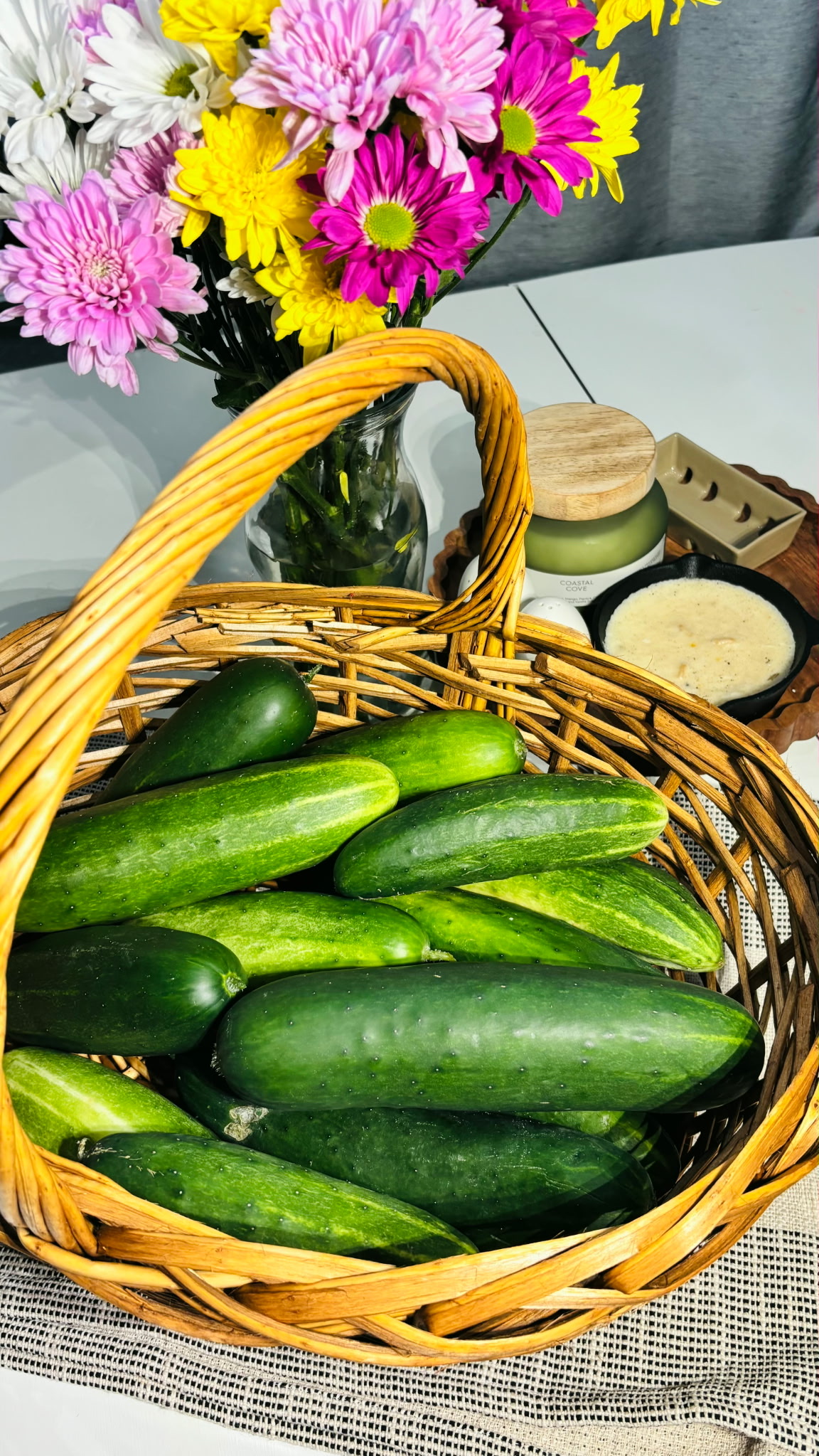
Got a follow-up question or a tip of your own? Take it to the Community board.