Greenhouse Basics: A Beginner's Guide to Starting Strong
Learn essential greenhouse fundamentals to extend your growing season and protect your plants
Greenhouse Basics: A Beginner's Guide to Starting Strong
A greenhouse transforms your growing potential by creating a controlled environment where plants thrive beyond normal seasons. Whether you want fresh tomatoes in November or seedlings ready weeks earlier in spring, understanding greenhouse basics sets you up for success. This guide walks you through the essential decisions and practices every beginner needs to know.
Choosing Your First Greenhouse Structure
The right greenhouse depends on your budget, space, and goals. Most beginners start with one of these three types:
Hoop Houses
These affordable structures use metal or PVC hoops covered with greenhouse plastic. A basic 10x12-foot hoop house costs $300-600 and works well for season extension. They're easy to build in a weekend and provide enough protection to grow cool-season crops through winter in many climates.
Cold Frames
Perfect for testing greenhouse growing, cold frames are small boxes with transparent lids. They sit directly on the ground and use solar heat during the day. A 3x6-foot cold frame extends your season by 4-6 weeks in spring and fall without electricity.
Polycarbonate Greenhouses
These permanent structures offer better insulation and durability than hoop houses. An 8x10-foot polycarbonate greenhouse runs $800-2,000 but lasts 10-15 years with minimal maintenance. The twin-wall panels hold heat better, reducing heating costs if you grow year-round.
Location and Placement Essentials
Where you place your greenhouse matters as much as the structure itself.
Sunlight requirements: Position your greenhouse to receive at least 6 hours of direct sunlight daily, ideally facing south or southeast. Winter sun sits lower in the sky, so avoid placing structures near tall buildings or trees on the southern side.
Level ground and drainage: Choose flat, well-draining ground. Poor drainage creates humidity problems and root diseases. If your only option slopes, build a level foundation or terrace the area.
Access to water and power: Place your greenhouse within 100 feet of a water source. Hauling water gets old fast. If you plan to add heating or ventilation fans, electrical access saves hassle later.
Wind protection: Strong winds damage structures and steal heat. A windbreak of shrubs or fencing 10-15 feet away on the north and west sides reduces heating needs by up to 30%.
Managing Temperature and Ventilation
Temperature control makes or breaks greenhouse success. Without proper ventilation, temperatures can spike to 100°F on sunny days, even when it's 40°F outside.
Passive Ventilation
Roll-up sides or roof vents create airflow without electricity. Open vents when inside temperatures reach 75°F and close them when it drops to 60°F. This daily routine prevents overheating and controls humidity.
Heating Basics
Most beginners start with passive solar heating—the sun warms the structure during the day, and insulation holds heat at night. For serious winter growing, add a small electric or propane heater. Keeping nighttime temperatures above 40°F protects most cool-season crops.
Temperature Monitoring
Place a min-max thermometer inside to track temperature swings. This $15 tool shows you the highest and lowest temperatures since you last checked, helping you adjust ventilation timing.
Watering and Humidity Control
Greenhouse plants need different watering than outdoor gardens. The protected environment means no rain, but also less wind and evaporation.
Water in the morning: This gives foliage time to dry before nighttime, reducing fungal diseases. Wet leaves overnight invite problems like powdery mildew.
Check soil, not schedules: Greenhouse plants in containers may need daily watering in summer but only twice weekly in winter. Stick your finger 2 inches into the soil—water when it feels dry.
Control humidity: High humidity breeds disease. Aim for 50-70% relative humidity. Increase ventilation if you see condensation dripping from the roof or walls.
Drip irrigation saves time: A simple drip system with a timer costs $50-100 and ensures consistent watering. Many growers on CuzHens Market use basic drip setups to maintain multiple greenhouses efficiently.
Best Crops for Greenhouse Beginners
Start with forgiving crops that tolerate temperature swings and beginner mistakes.
Lettuce and salad greens grow quickly and handle cool temperatures. Plant seeds every 2 weeks for continuous harvests.
Spinach and kale thrive in unheated winter greenhouses, surviving temperatures down to 20°F with row cover protection.
Tomatoes and peppers excel in spring greenhouse starts. Plant seeds 6-8 weeks before your last frost date for transplants that produce weeks earlier than direct-sown outdoor plants.
Herbs like basil and cilantro grow year-round in heated greenhouses and command premium prices at farmers markets.
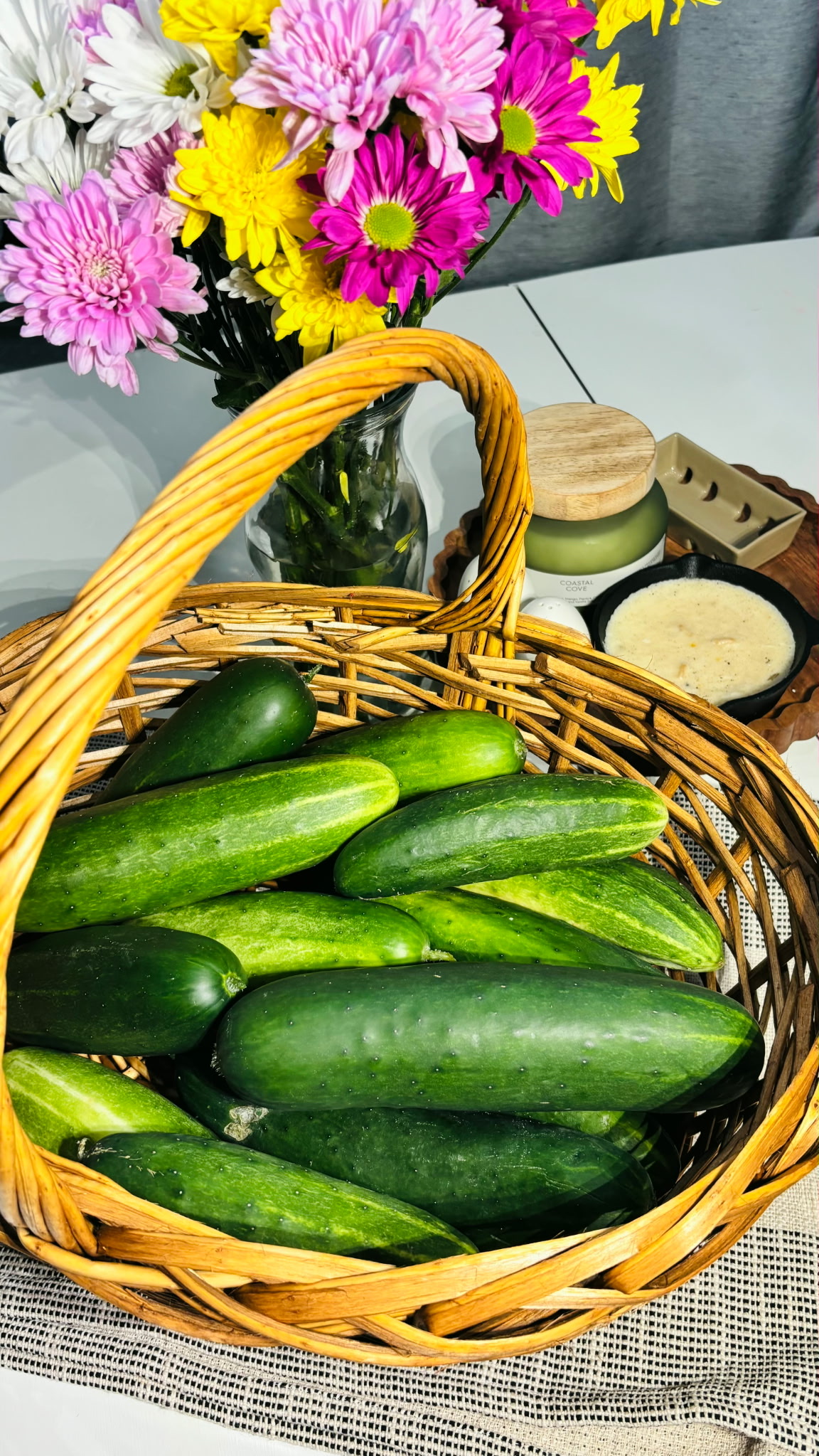
Cucumbers produce heavily in greenhouse conditions, often yielding double what outdoor plants produce.
Common Questions About Greenhouse Growing
Do I need to heat my greenhouse? Not necessarily. Unheated greenhouses extend seasons by 4-8 weeks in most climates. Heating allows year-round growing but increases costs.
How much does it cost to run a greenhouse? An unheated hoop house costs almost nothing to operate. A heated 10x12-foot greenhouse runs $30-80 monthly in heating during winter, depending on your climate and target temperature.
Can I start a greenhouse in summer? Yes, though spring and fall are easier learning seasons. Summer requires diligent ventilation and shade cloth to prevent overheating.
What's the biggest beginner mistake? Poor ventilation. Most new greenhouse gardeners underestimate how hot structures get on sunny days, leading to plant stress and failure.
Do greenhouse plants need fertilizer? Yes, especially container plants. Use half-strength liquid fertilizer every 2-3 weeks during active growth since frequent watering leaches nutrients from soil.
Got a follow-up question or a tip of your own? Take it to the Community board.