Companion Planting Guide: Which Vegetables Grow Best Together
Companion Planting Guide: Which Vegetables Grow Best Together
Ever notice how some plants seem to thrive when they're neighbors, while others just don't get along? That's companion planting in action—and it's one of the oldest gardening tricks in the book.
I learned this lesson the hard way when I planted my tomatoes next to a row of black walnut trees. Total disaster. But when I moved them next to basil and marigolds the following year? Best harvest I'd ever seen. Turns out, plants are a lot like people—they do better with the right company.
Companion planting isn't just folklore. It's about understanding how different vegetables interact with each other, share resources, and even protect one another from pests. Let me walk you through the combinations that actually work in a backyard garden.
Why Companion Planting Works
Before we dive into specific pairings, it helps to understand the "why" behind companion planting.
Some plants naturally repel pests that would otherwise attack their neighbors. Others attract beneficial insects that pollinate flowers or eat aphids. Deep-rooted vegetables can pull up nutrients that shallow-rooted plants can't reach, while nitrogen-fixers like beans actually enrich the soil for heavy feeders.
Then there's the simple matter of space. Tall plants can provide shade for heat-sensitive crops, while sprawling ground covers act as living mulch, keeping soil moist and weeds down.
The key is working with nature instead of against it.
The Classic Combinations That Actually Deliver
Tomatoes + Basil + Marigolds
This trio is companion planting gold. Basil improves tomato flavor (yes, really) and repels aphids and hornworms. Marigolds deter nematodes in the soil and whiteflies above ground. Plant basil around the base of your tomato cages and scatter marigolds throughout the bed.
The Three Sisters: Corn + Beans + Squash
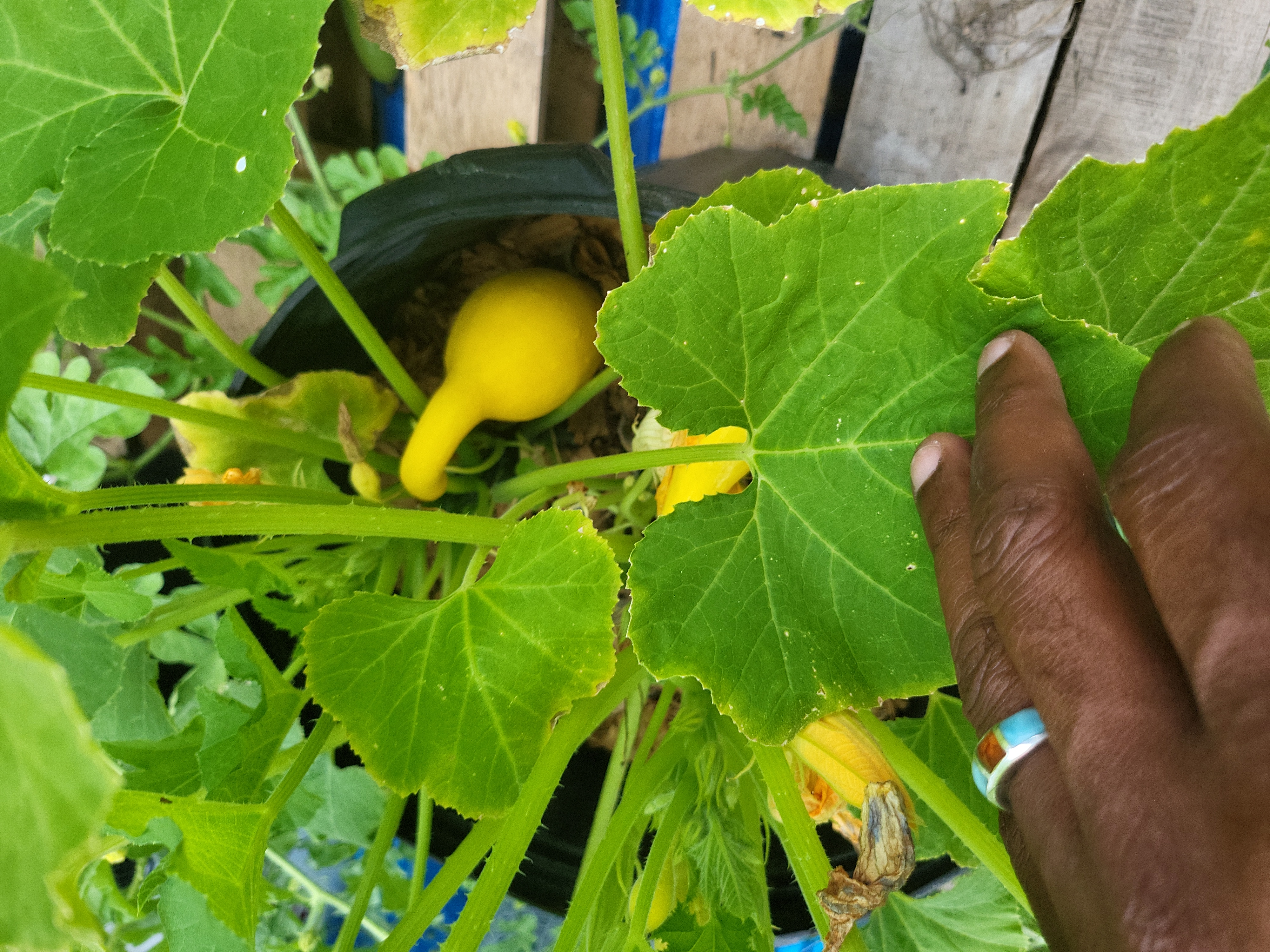
Indigenous farmers have used this combination for centuries, and for good reason. Corn provides a natural trellis for beans to climb. Beans fix nitrogen in the soil, feeding the heavy-feeding corn. Squash spreads across the ground, shading out weeds and keeping soil moist. It's a perfect partnership.
Carrots + Onions + Radishes
Onions repel carrot flies with their strong scent, while carrots help break up soil for onion bulbs. Radishes mature quickly and can be harvested before carrots need the space—plus they help mark your carrot rows since carrots are notoriously slow to germinate.
Lettuce + Tall Crops (Tomatoes, Corn, Sunflowers)
Lettuce bolts (goes to seed) in hot weather, but when you plant it in the shadow of taller crops, it stays productive much longer. I tuck lettuce around the north side of my tomato plants every spring and get salad greens well into summer.
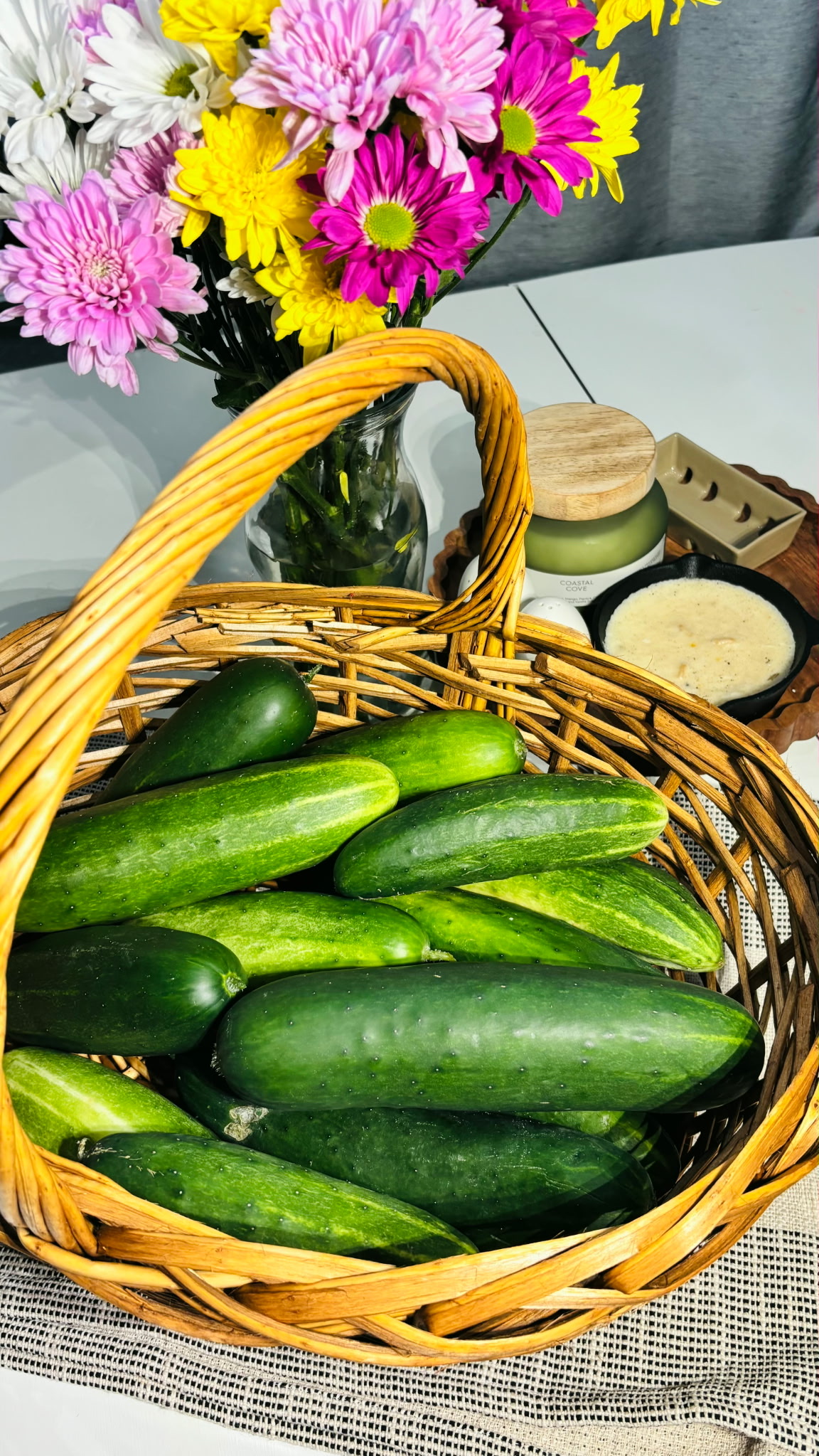
Cucumbers + Nasturtiums + Radishes
Nasturtiums attract aphids away from cucumbers (they're a trap crop), while radishes repel cucumber beetles. Plus, nasturtium flowers are edible and gorgeous in salads.
Plants That Don't Play Nice
Just as important as knowing good companions is avoiding bad ones.
Keep these apart:
- Tomatoes and brassicas (cabbage, broccoli, cauliflower)—they compete for the same nutrients and attract similar pests
- Onions and beans—onions can stunt bean growth
- Fennel and... well, everything—fennel inhibits growth in most garden vegetables, so give it its own space
- Potatoes and tomatoes—both are nightshades susceptible to the same diseases; planting them together invites trouble
I once planted pole beans right next to my onions because I had extra space. The beans barely produced. Live and learn.
Making Companion Planting Work in Small Spaces
You don't need acres to use companion planting. In fact, it's even more valuable in small gardens where every square foot counts.
Try interplanting—tucking fast-growing crops like radishes or lettuce between slower-growing ones. By the time your peppers need the space, your radishes are long gone.
Use vertical companions—let beans climb your corn, or plant trailing nasturtiums at the base of trellised cucumbers.
And remember succession planting. When your early spring peas finish, pull them out and plant basil or beans in the same spot. The nitrogen left behind by peas gives the next crop a boost.
Quick Reference Checklist
Here's a handy guide to keep in your garden journal:
Good companions:
- Tomatoes: basil, carrots, marigolds, parsley
- Peppers: basil, onions, spinach
- Cucumbers: beans, corn, peas, radishes, sunflowers
- Squash: corn, beans, marigolds, nasturtiums
- Lettuce: carrots, radishes, beets, onions
- Beans: corn, squash, carrots, cucumbers
- Carrots: onions, leeks, rosemary, sage
Avoid pairing:
- Tomatoes with potatoes, brassicas, or fennel
- Beans with onions or garlic
- Peas with onions or garlic
- Brassicas with strawberries or tomatoes
Start Simple and Observe
Here's my honest advice: don't overthink it. Start with one or two proven combinations and see how they perform in your garden. Every yard has different soil, sun exposure, and microclimates.
Keep notes on what works. I've found that some "expert" pairings flopped in my clay soil, while combinations I stumbled into by accident became garden staples.
The best companion planting guide is the one you write yourself, season after season.
Got questions about companion planting in your specific setup? Head over to our community forum where backyard growers share what's working (and what's not) in their gardens. We're all learning together.
Got a follow-up question or a tip of your own? Take it to the Community board.