Cucumber Variety Selection for Commercial Farm Production
Match cucumber cultivars to your market, climate, and production system for maximum yield
Cucumber Variety Selection for Commercial Farm Production
Selecting cucumber varieties requires balancing market demand, your growing system, disease pressure, and harvest windows. The right cultivar choices can mean the difference between a profitable season and crop failure. This guide breaks down variety selection by production goals and growing conditions.
Understanding Cucumber Categories
Cucumber varieties fall into distinct market categories, each with specific characteristics that affect cultivation and sales.
Slicing Cucumbers
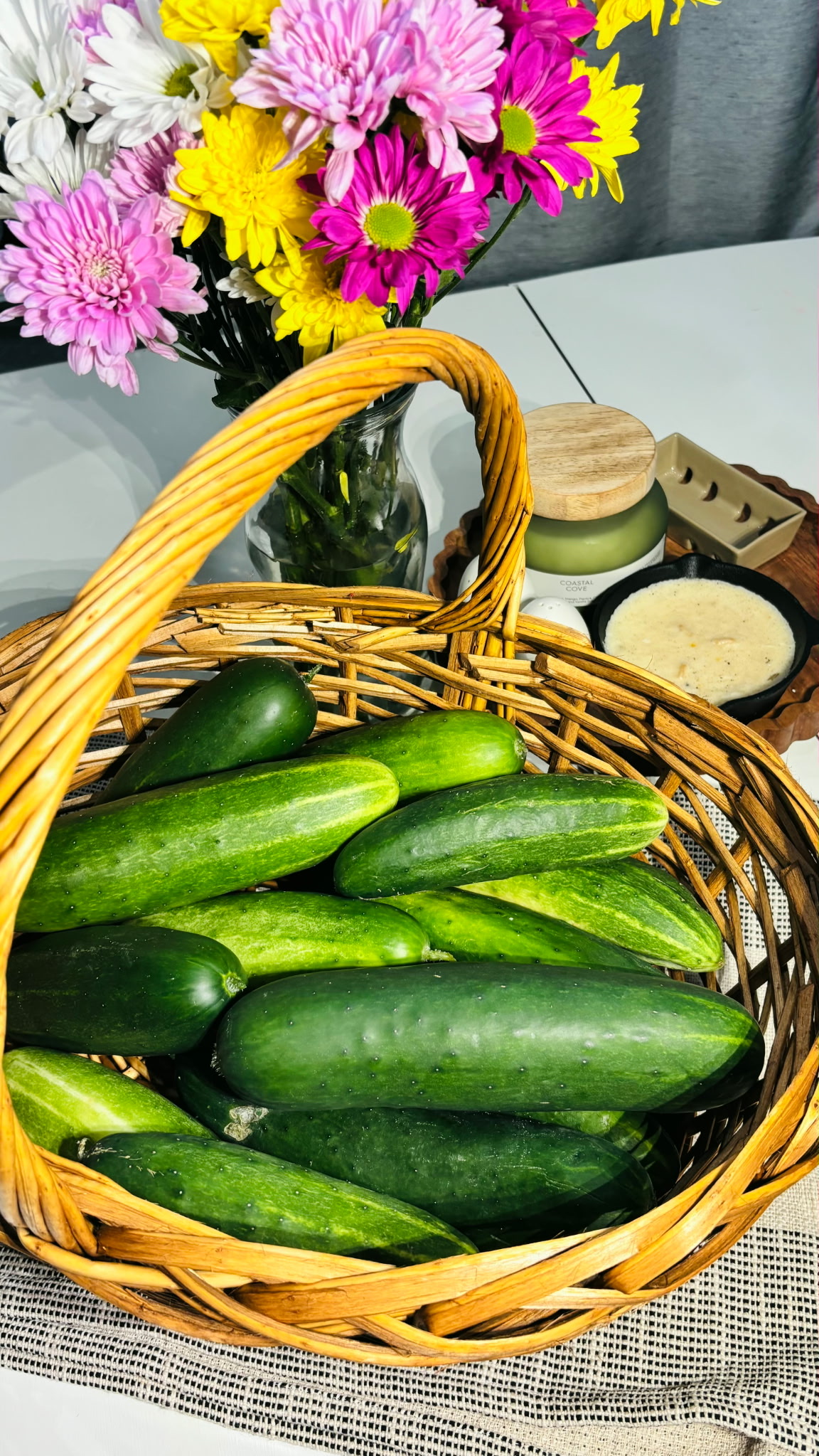
Slicing types dominate fresh market sales. These varieties typically reach 6-9 inches at harvest maturity and have thick, dark green skin. Modern slicing cucumbers like 'Marketmore 76' and 'Straight Eight' offer consistent shape and size for retail appeal. Gynoecious hybrids such as 'Dasher II' produce predominantly female flowers, increasing early yields by 10-15% compared to monoecious types.
Pickling Cucumbers
Pickling varieties stay firm during brining and produce heavily over concentrated periods. 'Boston Pickling' and 'National Pickling' remain industry standards for their blocky shape and small seed cavities. These cultivars reach pickle size (2-4 inches) in 50-55 days, allowing multiple succession plantings per season.
Specialty Types
Beit Alpha cucumbers, Persian varieties, and European greenhouse types command premium prices at farmers markets and through CSA channels. Beit Alpha types like 'Katrina' produce thin-skinned, seedless fruits that require no peeling. These varieties need trellising and consistent moisture but can yield 25-30 pounds per plant under optimal conditions.
Matching Varieties to Production Systems
Field Production
For open-field cultivation, prioritize disease resistance and heat tolerance. 'Poinsett 76' handles humidity and shows resistance to downy mildew, anthracnose, and powdery mildew—critical for Southeastern growers. Bush varieties like 'Spacemaster' work well for smaller operations with limited space, producing full-size fruits on compact 24-inch vines.
High Tunnel and Greenhouse Systems
Protected culture allows longer seasons and higher yields but requires parthenocarpic (seedless) varieties that set fruit without pollination. 'Tyria' and 'Socrates' excel in tunnel production, maintaining quality without bee activity. These varieties produce straighter fruits when trellised vertically, improving air circulation and reducing disease pressure.
Trellis vs. Ground Culture
Vertical growing on trellis systems suits slicing and specialty types, producing cleaner fruits with better shape. Ground culture works for pickling varieties where mechanical harvest is planned. Trellis systems require varieties with strong vine structure—'Diva' and 'Suyo Long' demonstrate excellent climbing habits and concentrated fruiting zones for easier picking.
Disease Resistance Priorities
Disease pressure varies regionally, making resistance packages essential for variety selection.
Critical Resistance Traits
- Powdery mildew (PM): Universal threat requiring resistance in all regions
- Downy mildew (DM): Devastating in humid climates; prioritize for Mid-Atlantic and Southeast
- Cucumber mosaic virus (CMV): Spread by aphids; choose resistant varieties where virus pressure is high
- Angular leaf spot: Bacterial disease favored by overhead irrigation
'County Fair 87' offers multiple disease resistances including PM, DM, and angular leaf spot. For organic production where chemical controls are limited, stacking multiple resistance traits becomes even more critical.
Scab and Anthracnose
These fungal diseases affect fruit quality directly. 'Marketmore 80' and 'Thunder' show strong scab resistance, maintaining marketable appearance through wet periods. In regions with heavy dew or frequent rain, scab resistance prevents the rough, corky lesions that make fruits unsalable.
Regional and Climate Considerations
Your USDA zone and microclimate should guide variety selection as much as market demand.
Heat Tolerance
Cucumbers stop setting fruit when nighttime temperatures exceed 75°F. For Southern growers, choose heat-tolerant varieties like 'Intimidator' or 'General Lee' that maintain production through summer stress. These varieties show better pollen viability and fruit set during heat waves.
Cool-Season Adaptation
Northern growers benefit from early-maturing varieties that produce before late-season disease pressure builds. 'Eureka' matures in 48-52 days, allowing harvest before first frost in short-season areas. Succession planting every 2-3 weeks extends the harvest window without risking total crop loss to early disease.
Day Length Sensitivity
Most modern cucumbers are day-neutral, but some heirloom varieties show sensitivity to day length. For fall production in Southern regions, verify that chosen varieties won't delay flowering as days shorten.
Market-Driven Selection Strategies
Align variety choices with your sales channels for maximum returns.
Farmers Market and Direct Sales
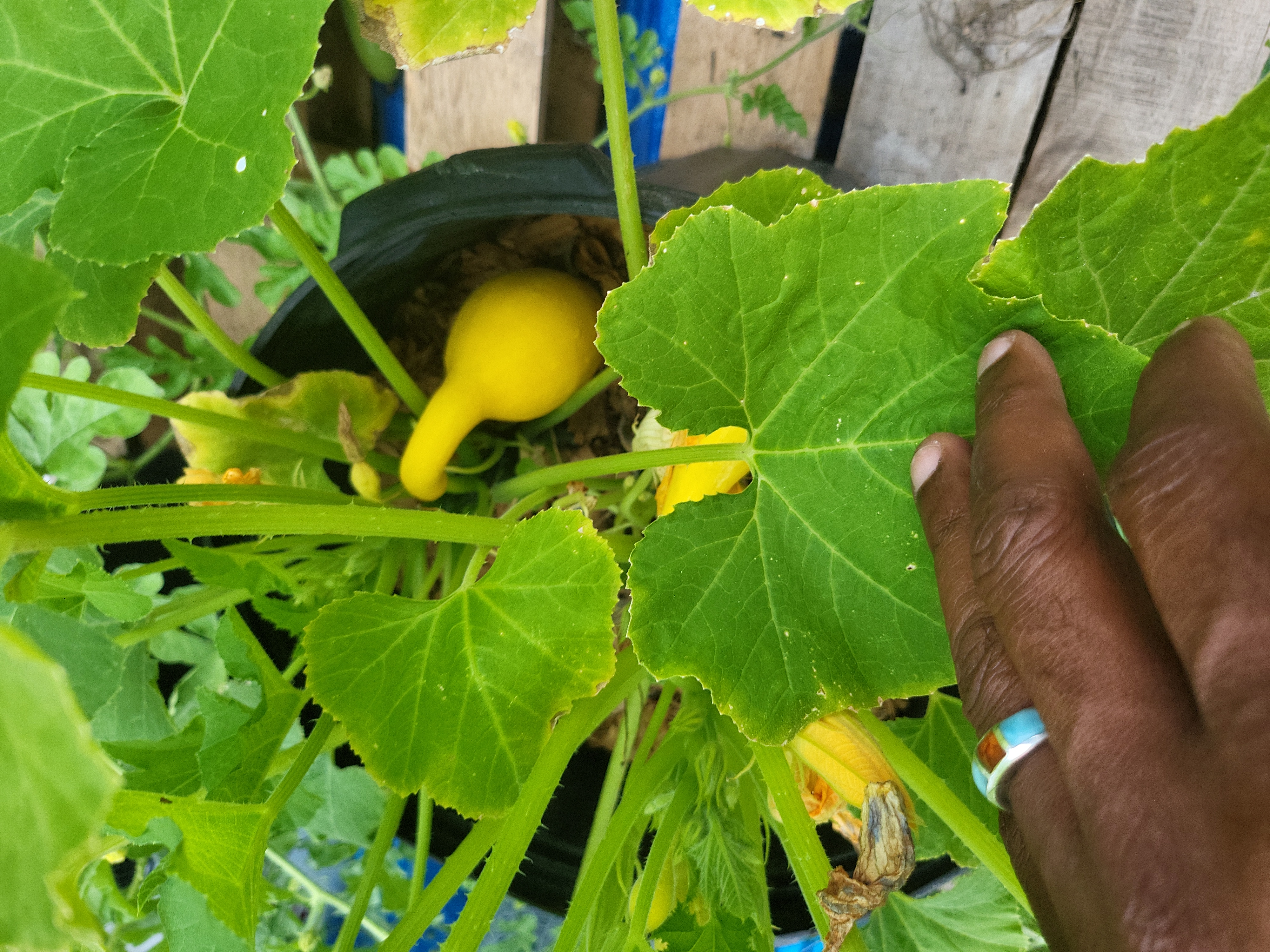
Consumers at direct markets pay premium prices for unique varieties. 'Lemon' cucumbers, with their round yellow fruits, attract attention and command $4-5 per pound versus $2-3 for standard slicers. Armenian cucumbers ('Painted Serpent') offer novelty and excellent flavor, differentiating your stand from competitors.
Restaurant and Wholesale
Consistency matters more than novelty for wholesale buyers. Stick with proven varieties that produce uniform size and color. 'Marketmore 76' and 'Dasher II' meet buyer specifications reliably. When selling to restaurants, platforms like CuzHens Market help connect growers with chefs seeking specific varieties or production methods.
Value-Added Processing
If you're producing for your own pickling operation, select varieties based on final product needs. Small gherkin types (1-3 inches) require varieties like 'Calypso' that size uniformly. For bread-and-butter chips, choose varieties with small seed cavities that stay crisp after processing.
Common Questions
How many varieties should I plant? Most commercial operations plant 2-4 varieties: one main slicing type, one pickling variety for diversity, and 1-2 specialty cucumbers for premium markets. This spreads risk without complicating harvest and marketing.
Should I choose hybrid or open-pollinated varieties? Hybrids offer superior disease resistance, uniformity, and yield—typically 20-30% higher than open-pollinated types. Open-pollinated varieties cost less for seed and allow seed saving, but require more intensive disease management.
Can I succession plant different varieties? Yes, stagger plantings every 2-3 weeks using varieties with different maturity dates. Early varieties (48-52 days) for first harvest, followed by main-season types (55-60 days) for sustained production.
What's the minimum trial size for testing new varieties? Plant at least 25-50 feet of row (approximately 15-30 plants) to fairly evaluate a variety's performance, disease resistance, and market acceptance before committing significant acreage.
Got a follow-up question or a tip of your own? Take it to the Community board.