Seasonal Scouting for Organic Pest Control: A Grower's Calendar
Track, identify, and manage pests naturally by timing your observations with the seasons
Seasonal Scouting for Organic Pest Control: A Grower's Calendar
Organic pest management succeeds or fails based on timing. Unlike conventional growers who can apply synthetic pesticides reactively, organic farmers need to spot problems before they explode. Seasonal scouting—the practice of monitoring crops systematically throughout the year—gives you that critical early warning system.
This approach aligns your observation schedule with pest lifecycles, weather patterns, and crop vulnerability windows. The result: fewer surprises, lower losses, and more targeted interventions.
Understanding Pest Phenology and Your Scouting Schedule
Pest phenology describes how insect development syncs with temperature and season. Most agricultural pests follow predictable patterns tied to growing degree days (GDD) rather than calendar dates.
For effective seasonal scouting, track both:
- Accumulated heat units: Many pests emerge or reach damaging life stages at specific GDD thresholds. For example, Colorado potato beetles typically emerge when soil temperatures reach 50-55°F at 4 inches deep.
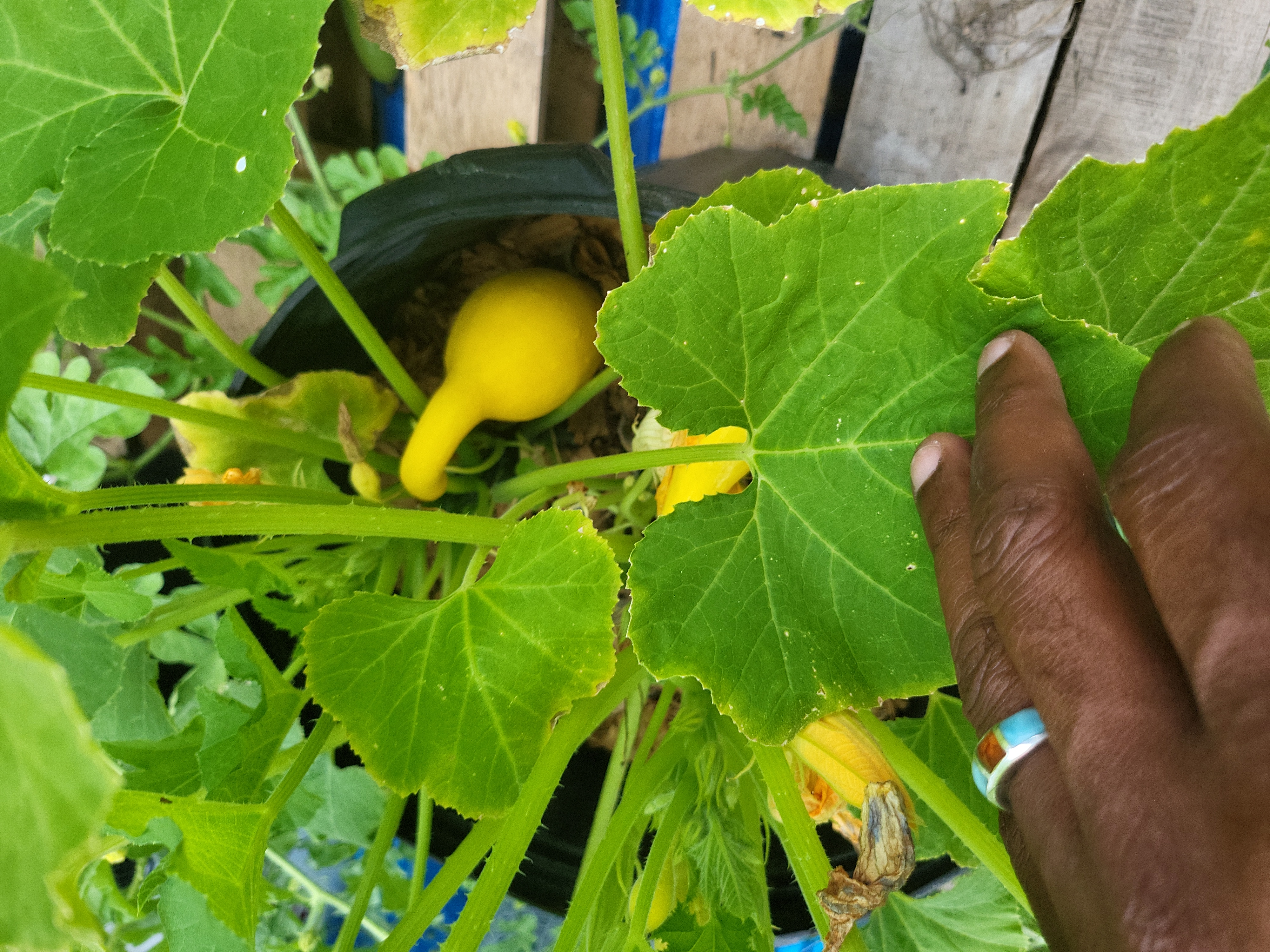
- Crop growth stages: Certain pests target specific developmental windows. Cutworms attack transplants, while squash vine borers strike when vines begin to run.
Create a simple scouting calendar that maps pest emergence to your local climate and crop schedule. Adjust timing by 7-10 days based on whether spring arrives early or late in your region.
Spring Scouting: Catching the First Wave
Spring scouting focuses on overwintering pests and early-season colonizers. Start when soil temperatures consistently reach 45°F.
Early Spring (March-April in most zones)
- Scout weekly for cutworms, flea beetles, and aphids on brassicas and early greens
- Check under crop debris and mulch for overwintering beetles and pupae
- Monitor trap crops planted specifically to attract pests away from main crops
- Inspect transplants thoroughly before field planting—greenhouses can harbor aphids and whiteflies
Late Spring (May-June)
- Increase scouting to twice weekly as temperatures rise above 70°F
- Focus on cucumber beetles, squash bugs (eggs on undersides of leaves), and imported cabbageworm
- Check soil surface around young plants for cutworm damage at dawn
- Scout for beneficial insects establishing populations—ladybugs, lacewings, and parasitic wasps
Summer Scouting: Peak Pressure Management
Summer brings maximum pest pressure and rapid population growth. Hot weather accelerates pest lifecycles, with some aphid species completing a generation in just 7 days.
Intensive Monitoring Protocol
- Scout three times per week during peak season (July-August)
- Check 20-25 plants per crop block, sampling from multiple locations
- Examine upper and lower leaf surfaces, stems, and fruit
- Record pest densities using action thresholds: for example, 10% of plants with hornworms warrants intervention
Key Summer Pests by Crop Family
Solanaceae (tomatoes, peppers, eggplant)
- Hornworms, Colorado potato beetles, flea beetles
- Scout every 3-4 days once fruit sets
Cucurbits (squash, cucumbers, melons)
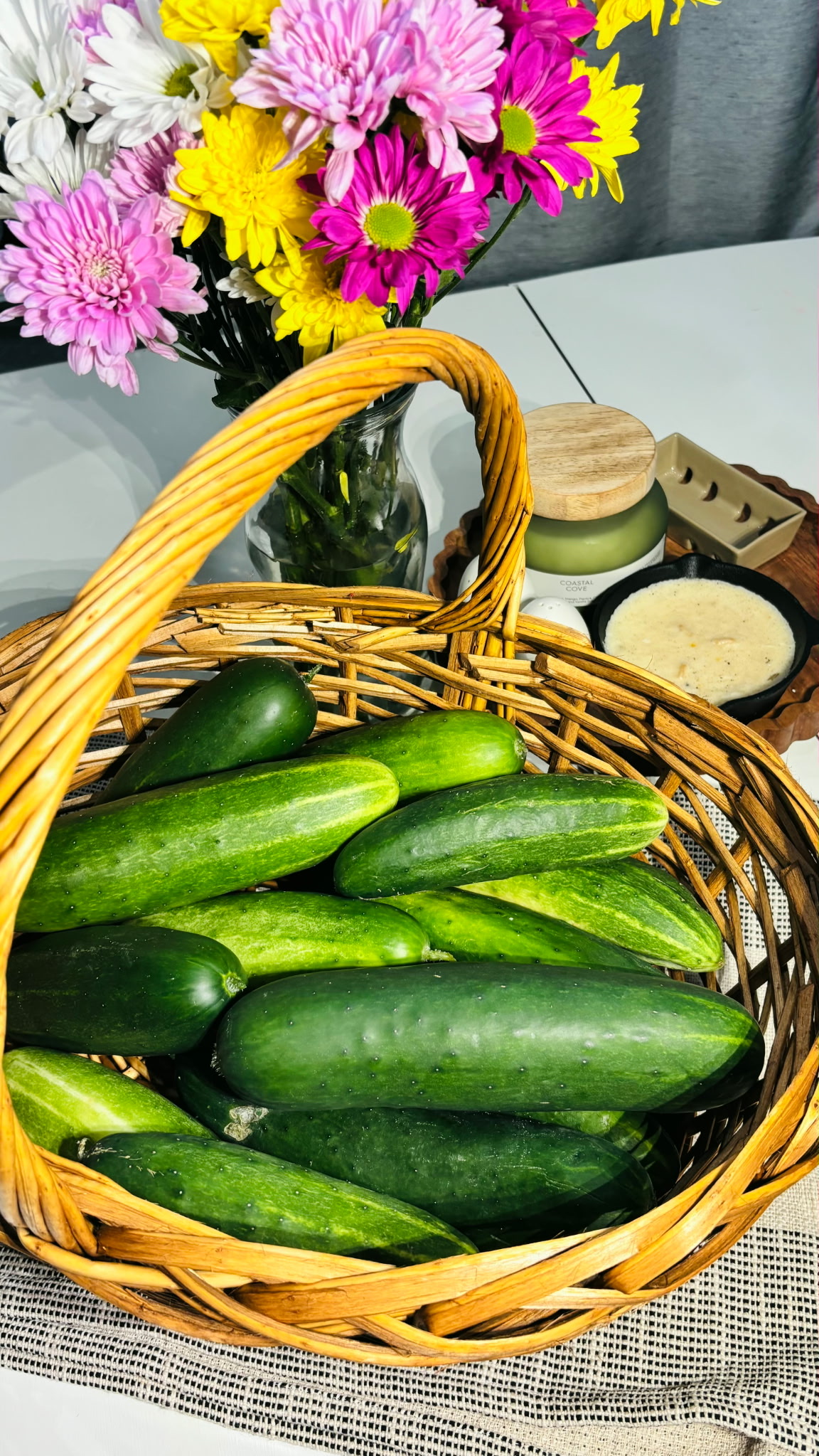
- Squash vine borers, cucumber beetles, squash bugs
- Check vine bases for sawdust-like frass indicating borers
Brassicas (cabbage, kale, broccoli)
- Cabbage loopers, imported cabbageworm, harlequin bugs
- Inspect head formation closely—worms hide deep in leaves
Fall Scouting: Preventing Overwintering Populations
Fall scouting reduces next year's pest pressure by interrupting overwintering strategies.
Late Summer into Fall
- Continue monitoring until first hard freeze
- Focus on preventing egg-laying in crop residue and soil
- Scout for squash bugs congregating under boards and mulch
- Remove and destroy infested plant material before pests enter diapause
- Note where pest populations were highest to inform next year's rotation
Post-Harvest Habitat Management
- Turn under crop residue promptly to expose overwintering larvae to predators and weather
- Remove potential shelter like old boards, tarps, and equipment near growing areas
- Plant cover crops to disrupt pest habitat and support beneficial insects
Record-Keeping and Decision-Making
Effective scouting requires systematic record-keeping. Your notes become a multi-year dataset that reveals patterns invisible in a single season.
What to Record
- Date, time, weather conditions, and crop growth stage
- Pest species and life stage observed
- Location and number of plants affected
- Presence of beneficial insects
- Actions taken and results
Many growers find success with simple paper field maps or smartphone apps. The CuzHens Market community includes growers who share their scouting templates and regional pest calendars—valuable resources for refining your approach.
Making Intervention Decisions
Not every pest sighting requires action. Use economic thresholds appropriate for organic systems:
- Cosmetic damage: Can you tolerate 5-10% leaf damage on crops where you harvest the fruit?
- Population trends: Are numbers increasing despite beneficial insect presence?
- Crop value and stage: A few aphids on young lettuce matter more than the same number on mature tomatoes
Common Questions About Seasonal Scouting
How long should each scouting session take? Plan 20-30 minutes per quarter-acre for thorough observation. You'll get faster with practice, but rushing defeats the purpose.
What if I miss my scouting window? Pest populations can double in 3-5 days during warm weather. If you miss a session, scout extra carefully the next time and consider increasing frequency temporarily.
Should I scout in the rain? Light rain is fine and actually reveals slugs and some beetles. Skip heavy rain—you'll miss pests hiding in plant crevices and won't see eggs or early instars clearly.
When can I reduce scouting frequency? After first frost kills warm-season crops and pests enter dormancy. Continue light monitoring of cold-hardy crops and overwintering areas monthly through winter.
Got a follow-up question or a tip of your own? Take it to the Community board.