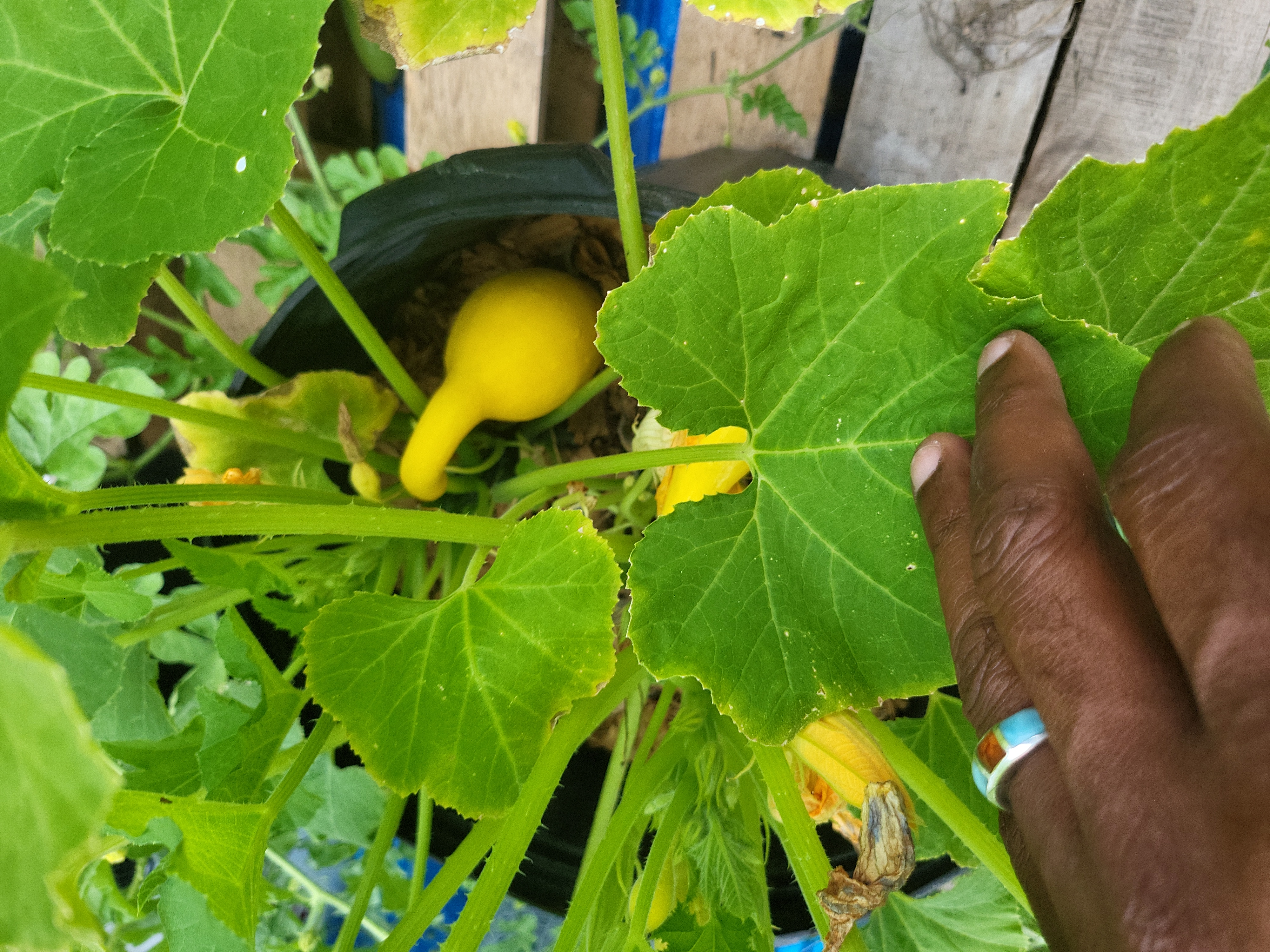
Companion Planting to Attract Beneficial Insects for Pest Control
Strategic plant pairings that recruit natural predators to manage pests without chemicals
Companion Planting to Attract Beneficial Insects for Pest Control
Beneficial insects are your unpaid farmhands, working around the clock to keep pest populations in check. The secret to recruiting these allies isn't purchasing them by the thousands—it's creating habitat they can't resist. Strategic companion planting transforms your garden beds into an insect magnet that draws predators and parasitoids exactly where you need them.
Understanding the Beneficial Insect Workforce
Before planting, know who you're inviting to dinner. The most valuable beneficial insects fall into three categories:
Predatory insects hunt and consume pests directly. Ladybugs can eat up to 50 aphids per day, while lacewing larvae devour aphids, mites, thrips, and small caterpillars. Ground beetles patrol at night, consuming slug eggs and cutworms.
Parasitoid insects lay eggs inside or on pest insects. Parasitic wasps (like Trichogramma and Braconid wasps) target caterpillars, aphids, and whiteflies. A single parasitic wasp can parasitize 200-300 pest eggs during her lifetime.
Pollinators with benefits include hoverflies, whose larvae feed on aphids while adults pollinate crops. One hoverfly larva consumes approximately 400 aphids before pupating.
Flowering Plants That Draw Predators
Beneficial insects need nectar and pollen for energy, especially when pest populations are low. The key is providing flowers with accessible nectar—many beneficials have short mouthparts.
Umbellifers: The Universal Attractants
Plants in the carrot family offer flat, clustered flowers perfect for tiny beneficial insects:
- Dill: Attracts ladybugs, lacewings, hoverflies, and parasitic wasps. Plant near brassicas and tomatoes.
- Cilantro/Coriander: Let it bolt to produce flowers. Excellent for parasitic wasps and tachinid flies.
- Fennel: A magnet for hoverflies and ladybugs. Keep it at bed edges as it can inhibit some vegetables.
- Yarrow: Perennial option that attracts predatory wasps and ladybugs throughout the season.
Composites for Continuous Bloom
The aster family provides landing platforms and abundant pollen:
- Alyssum: Low-growing annual that attracts hoverflies and minute pirate bugs. Plant as a living mulch between rows.
- Calendula: Draws hoverflies and provides habitat for predatory thrips that eat spider mites.
- Sunflowers: Attract lacewings, minute pirate bugs, and parasitic wasps. Border plantings work well.
Herbs with Double Duty
Many culinary herbs serve as excellent insectary plants:
- Thyme: Ground cover that attracts hoverflies and parasitic wasps.
- Oregano: Flowering oregano draws parasitic wasps and tachinid flies.
- Basil: Plant near tomatoes to attract parasitic wasps while deterring hornworms.
Strategic Placement for Maximum Impact
Random companion planting reduces effectiveness. Position insectary plants where they'll intercept pests early.
Border and Edge Plantings
Create 2-3 foot wide perennial borders around garden beds using yarrow, catmint, and perennial alyssum. These permanent habitats shelter beneficials year-round and provide immediate recruitment when pests arrive.
Interplanting Within Rows
Intersperse flowering companions every 6-8 feet within crop rows. In a 100-foot tomato row, plant basil or alyssum every 8 feet to create 12 beneficial insect stations. This ensures no crop plant is more than 4 feet from nectar sources.
Succession Planting for Season-Long Support
Beneficials need continuous bloom from spring through fall. Plan successions:
- Early season (April-May): Alyssum, mustard family flowers, cilantro
- Mid-season (June-July): Dill, buckwheat, calendula
- Late season (August-October): Sunflowers, fennel, yarrow second bloom
Plant fast-maturing buckwheat in 3-week intervals for continuous bloom. It flowers in just 30 days and attracts over a dozen beneficial species.
Habitat Beyond Flowers
Nectar alone won't sustain beneficial populations. Provide shelter and alternative food sources.
Ground Cover and Mulch
Ground beetles need daytime hiding spots. Maintain 2-3 inch mulch layers and plant low-growing thyme or clover between beds. These predators emerge at night to hunt cutworms and slug eggs.
Water Sources
Shallow water dishes with pebbles or sticks for landing spots help beneficials survive hot weather. Refresh every 2-3 days to prevent mosquito breeding.
Overwintering Sites
Many beneficials overwinter as adults in plant stems and leaf litter. Leave 6-inch stem stubble on perennials through winter. Dedicate a corner of your farm to undisturbed native grasses and perennials—this "beetle bank" serves as beneficial insect headquarters.
Monitoring and Adjusting Your Strategy
Track results to refine your companion planting approach. Scout plants weekly, noting both pest and beneficial populations. If you're seeing pest damage but no beneficials, you may need more diverse flowering plants or better habitat.
For growers sourcing seeds and supplies, CuzHens Market connects you with local providers who understand regional beneficial insect populations and can recommend varieties that thrive in your specific climate.
Remember that beneficial insects take time to establish. You may see limited results the first season, but by year two or three, populations build to levels that provide substantial pest suppression. Patience and consistent habitat provision pay dividends.
Common Questions About Companion Planting for Beneficials
How long before I see results from companion planting? Expect 2-4 weeks after flowers bloom for beneficial populations to increase noticeably. Existing beneficials discover new resources quickly, but building resident populations takes a full season.
Will companion plants compete with my crops? Choose companions that mature at different times or occupy different niches. Low-growing alyssum doesn't shade taller crops, while dill's deep taproot doesn't compete with shallow-rooted lettuce.
Can I use companion planting with row covers? Yes, but timing matters. Use row covers for early pest exclusion, then remove them when companions flower to allow beneficial access. This works well for brassicas protected from flea beetles early, then exposed when parasitic wasps need access to cabbage worms.
Do I need to avoid all pesticides? Even organic pesticides like pyrethrin and spinosad kill beneficials. Spot-treat only severe infestations, and spray in evening when beneficials are less active. Better yet, hand-remove heavily infested plants to protect your beneficial workforce.
Got a follow-up question or a tip of your own? Take it to the Community board.